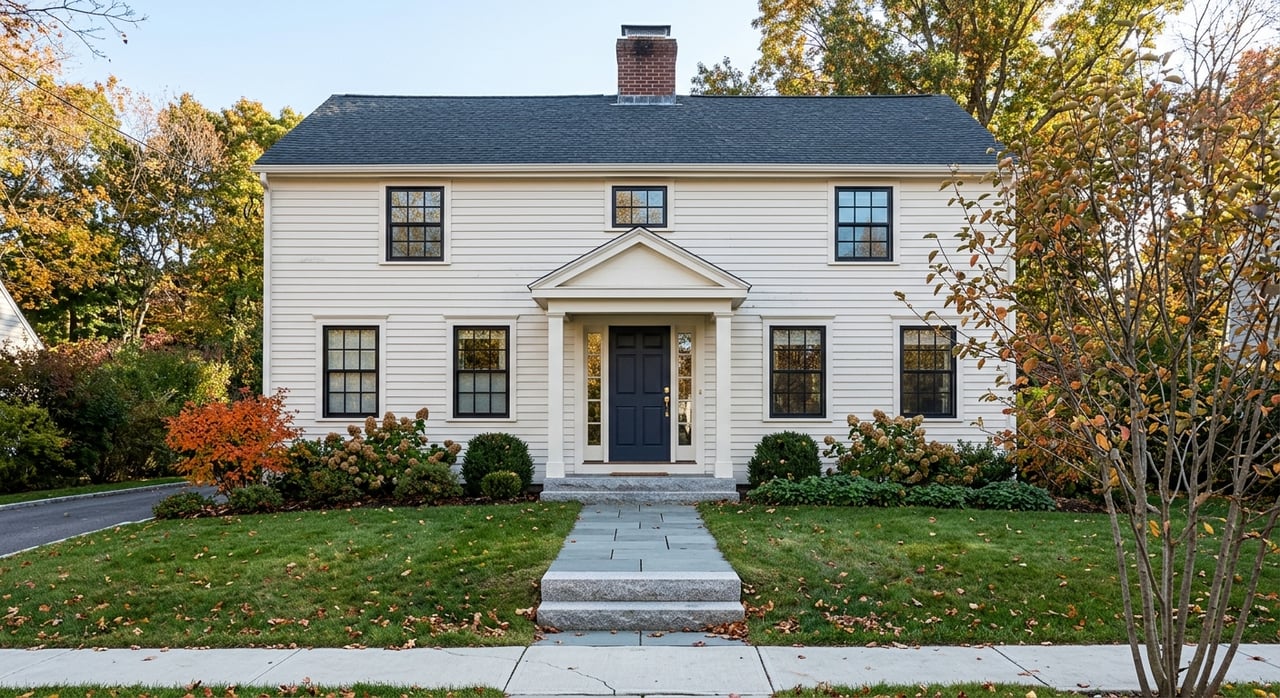
Are you dreaming about a home in Falmouth that gives you summer beach days, bike rides to Woods Hole, and flexible off-season escapes too? Part-time living here can be rewarding, but it works best when you understand how the town’s seasonal systems actually function. If you want your second home to feel easy instead of logistically heavy, this guide will help you plan for beach access, travel, winter prep, and local property rules. Let’s dive in.
Why Falmouth works part-time
Falmouth is especially well-suited to seasonal living because many of its routines support flexible use. You can enjoy beach access in summer, use the Shining Sea Bikeway across multiple seasons, and travel through Woods Hole year-round.
The town also has practical systems that matter to part-time owners. Seasonal water service, transportation options, recycling rules, and historic district review all shape how smoothly your home works when you are not there full-time. Knowing those details upfront can save you time and stress.
Build your routine around access
A part-time home is easier to enjoy when everyday access feels simple. In Falmouth, that often means thinking about beaches, biking, and ferry travel as part of your regular rhythm instead of last-minute plans.
The Beach Department maintains 10 beaches, and amenities vary by location. The town lists features such as public parking, sanitary facilities, bath houses, food concessions, lifeguards in season, and accessible beach access at multiple sites.
Beach parking takes planning
If you plan to park at a town beach lot during the summer, you will likely need a beach parking sticker. The town says stickers are only required for summer parking in town beach lots, and they are generally not needed from about the second week of September through mid-June.
You do not need a sticker if you walk, bike, roller skate, get dropped off, or take a taxi. For some seasonal owners, that can open up more options, especially if you are staying near the coast or close to the bikeway.
The sticker process is very specific. A resident sticker generally requires a vehicle registered to a Falmouth resident or Falmouth property owner, and the town may ask for matching registration and tax-account or census records.
For some ownership situations, the paperwork can be more involved. The town notes added documentation may be needed for summer cottage rentals, timeshares, trusts, and other nonstandard ownership structures, along with proof of stay in some cases.
Keep beach documents ready
One of the easiest ways to simplify your arrival each season is to keep a dedicated folder for beach access paperwork. Useful documents may include your vehicle registration, deed or tax records, and any trust, lease, or timeshare paperwork that applies to your property.
This kind of prep matters because the system is manageable, but it is also documentation-driven. If you want your first beach week to feel relaxing, handling the paperwork early can make a big difference.
Know the current sticker costs
The town’s posted beach sticker fees currently include:
- $40 online before April 15
- $45 online after April 15
- $50 by mail or in person
- $275 seasonal non-resident rate in town
- $375 seasonal non-resident rate out of town
The town also says mail-in applications can be submitted from January through May 31. In-person applications begin Memorial Day weekend.
Use the Shining Sea Bikeway year-round
The Shining Sea Bikeway is one of Falmouth’s biggest advantages for part-time owners. The paved trail runs about 10.7 miles from County Road in North Falmouth to the Steamship Authority terminal in Woods Hole.
According to the town, the route passes marshes, cranberry bogs, ponds, woodlands, shoreline areas, and a busy harbor. That gives you a built-in way to enjoy the area beyond peak beach season, whether you are visiting in summer, early fall, or on a mild spring weekend.
For many seasonal homeowners, this kind of year-round recreation anchor matters just as much as beach access. It gives your home value in everyday use, not just on hot summer days.
Plan travel through Woods Hole
If your part-time schedule includes island trips or frequent off-Cape travel, Falmouth has a strong transportation advantage through Woods Hole. The Steamship Authority runs year-round service between Woods Hole and Martha’s Vineyard.
The schedule page states the trip takes about 45 minutes. It also notes that advance vehicle reservations are required, which is an important detail if you expect to bring a car.
Local transportation adds flexibility
Falmouth’s transportation page also lists several services that can be helpful for part-time residents. These include CCRTA fixed-route buses across Cape Cod, DART door-to-door service, Boston Hospital Transportation, and Medivan service from Woods Hole to Boston-area medical care.
That mix can make seasonal living more practical in different phases of life. Whether you are planning quick summer stays, shoulder-season visits, or a longer-term hybrid schedule, having multiple transportation options can support a more flexible routine.
Winterize before you lock up
If you leave your Falmouth home vacant for part of the year, winter preparation should be one of your top priorities. The goal is not just comfort. It is protecting the house while you are away.
Falmouth’s winter-readiness guidance recommends several steps homeowners should consider before cold weather sets in. These include insulating walls and attics, caulking and weather-stripping doors and windows, cleaning gutters, repairing roof leaks, maintaining heating equipment and chimneys, insulating pipes, and learning how to shut off water valves.
The town also warns against unsafe use of generators and other fuel-burning devices indoors. For a part-time owner, that reminder matters because storm prep can sometimes lead people to rely on temporary equipment.
Schedule seasonal water service early
Falmouth DPW offers seasonal water turn-on and turn-off service. The town asks owners to call the DPW office, schedule with a representative, give at least 48 hours notice, and expect a $75 charge billed on the next water and sewer bill.
The town also notes that this service is only done during normal weekday distribution hours. If your travel schedule is tight, it is smart to plan ahead instead of waiting until arrival or departure day.
Grinder pumps need extra attention
If your property uses a grinder pump, do not assume a standard shutoff routine covers everything. The town maintains a separate grinder pump winterization guide and notes that each installation may be unique.
That makes this one of the most important home-specific systems to review before you leave for the season. A little extra planning here can help you avoid bigger issues later.
Stay on top of waste rules
Part-time ownership gets easier when you know how basic town services work. In Falmouth, waste and recycling rules are worth learning early, especially if you host guests or use the home heavily in summer.
The town has mandatory recycling rules that apply to residents, guests, businesses, and institutions. At the Waste Management Facility, recyclable materials must be clean and dry, and plastic bags are not accepted in recycling.
The town’s current combined annual sticker is $40 for residents and provides access to the Waste Management Facility, Yard Waste and Leaf Compost Facility, and Swap Shop. The facility also charges $2.50 per 32-gallon quantity for trash or recycling at the gate.
For seasonal owners, the practical lesson is simple. Make sure everyone using the home understands the local sorting rules and access system, especially during busy summer turnover periods.
Check historic district rules first
Before you start an exterior project, it is worth confirming whether your property is in one of Falmouth’s seven local historic districts. The Historical Commission says that all work visible from a public way within a local historic district requires review before a building or sign permit can be granted.
The commission’s review scope includes new construction, additions, renovations, restoration, signage, sheds, fencing, and stone walls. That means even projects that seem modest may need review if they are visible from a public way.
Maintenance and changes are not always the same
For seasonal homeowners, this is an important distinction. Some work may feel like simple upkeep, but visible exterior changes can trigger review depending on the property and the project.
If you are planning updates to a Cape house, it is wise to clarify the rules before ordering materials or scheduling contractors. That can help you avoid delays during the short season when many owners want work completed.
Make part-time ownership easier
The best seasonal homes are not just beautiful in July. They are set up to work smoothly in every month you plan to use them.
In Falmouth, that means thinking through a few practical systems in advance:
- Beach sticker eligibility and timing
- Vehicle and ownership documents
- Seasonal water service scheduling
- Winterization checklists
- Grinder pump needs, if applicable
- Recycling and waste access
- Historic district review for exterior work
- Ferry and local transportation planning
When those basics are handled, your home can support several different lifestyles. You might use it for the full summer, for off-season weekend escapes, or for a mix of personal use and carefully managed downtime.
If you are thinking about buying, selling, or making a move that supports your long-term lifestyle goals, the Marjie and Phil Team offers thoughtful, high-touch guidance to help you plan with confidence.
FAQs
What should seasonal homeowners know about beach parking in Falmouth?
- If you want to park in a town beach lot during the summer, you may need a beach sticker, and the town may require vehicle and ownership documentation depending on your situation.
What makes the Shining Sea Bikeway useful for part-time living in Falmouth?
- The Shining Sea Bikeway is a 10.7-mile paved trail connecting North Falmouth to Woods Hole, giving you a reliable recreation and transportation-friendly option beyond peak beach season.
What should part-time homeowners know about water service in Falmouth?
- Falmouth DPW offers seasonal water turn-on and turn-off service with at least 48 hours notice, a $75 charge, and weekday scheduling during normal distribution hours.
What winter prep steps matter for a seasonal home in Falmouth?
- The town recommends tasks such as insulating key areas, weather-stripping, cleaning gutters, repairing roof leaks, maintaining heating systems and chimneys, insulating pipes, and knowing how to shut off water valves.
What property updates may need review in Falmouth historic districts?
- In a local historic district, work visible from a public way may require review before permits are granted, including additions, renovations, sheds, fencing, signage, and some exterior changes.
What waste and recycling rules should seasonal owners know in Falmouth?
- Falmouth has mandatory recycling rules, requires recyclables to be clean and dry, does not accept plastic bags in recycling, and uses sticker- or fee-based access at the Waste Management Facility.