Thinking about Woburn but not sure how the commute will feel day to day? You are not alone. When you move to a new town, the way you get to work shapes everything from your daily rhythm to which neighborhood feels like home. In this guide, you will see how Woburn’s highways and MBTA options fit real commute needs, how that links to neighborhoods, and what housing types you will find in each area. Let’s dive in.
Why Woburn works for commuters
Woburn sits at the crossroads of two key highways: I-93 and I-95/Route 128. That location gives you direct routes into Boston and quick loops around the metro for jobs in Burlington, Waltham and Lexington. The Route 128 corridor is also a major employment hub, so many residents work close by.
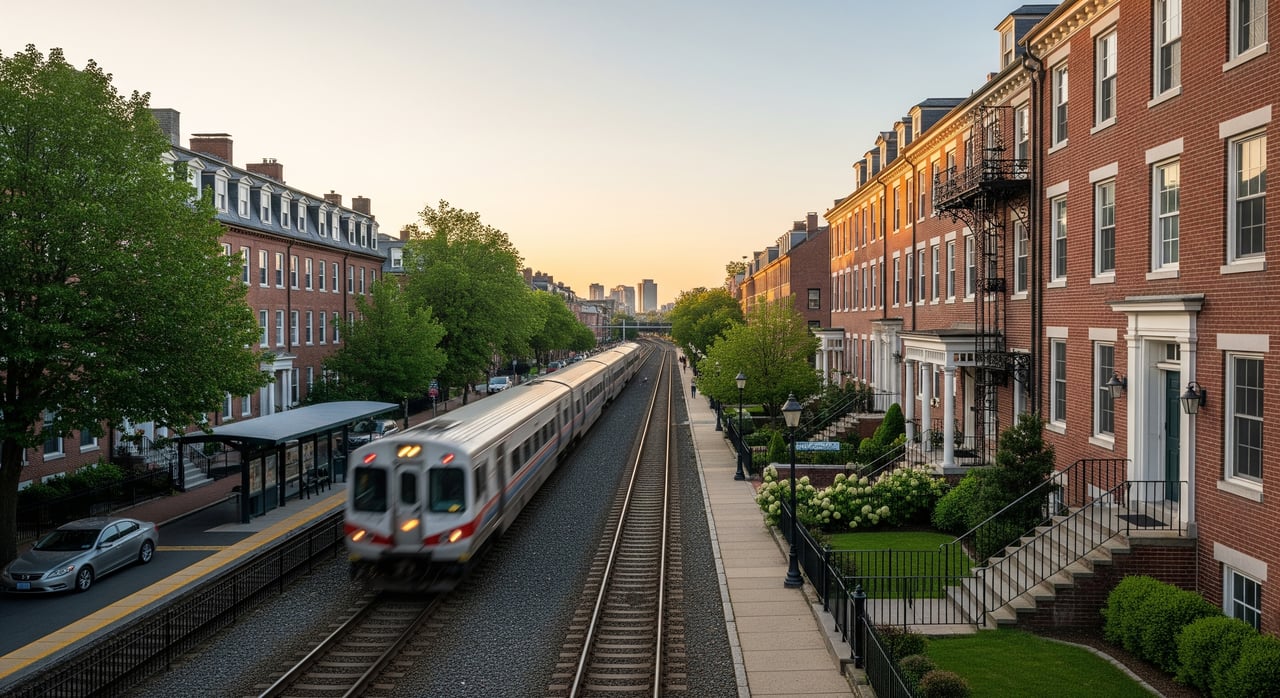
You also have MBTA commuter rail on the Lowell Line with service to North Station. If you prefer to skip peak-hour driving, rail and regional buses offer reliable options. Station parking is common, and policies vary by location, so you will want to confirm details before you commit.
The bottom line: you get real choices. Drivers value the highway access. Transit riders appreciate the rail link to Boston. Many buyers choose neighborhoods based on which option they plan to use most.
Getting around by car
Key highways and interchanges
- I-93 runs north-south into Boston, which helps if your office is downtown or along the I-93 corridor.
- I-95/Route 128 circles the metro and connects you to suburban job centers. It is the backbone for many tech, life science and office parks.
- Local roads like Main Street and connectors from neighboring towns feed the interchanges, so your exact route will depend on your neighborhood.
Peak and off-peak patterns
Weekday morning and evening peaks are busiest inbound and outbound on I-93 and Route 128. Off-peak windows can feel significantly lighter. If you have flexible hours or hybrid days, that flexibility can widen your neighborhood choices.
Tip: test-drive your routes during the time you would actually commute. MassDOT maintains regional traffic resources that can help you plan and monitor conditions. Review the agency’s traffic and travel information through the Massachusetts Department of Transportation.
Commuter rail and bus options
Woburn is served by MBTA commuter-rail service on the Lowell Line to Boston’s North Station. Many local stations offer parking, with a mix of paid lots and first-come spaces. Policies and schedules change, so always verify before you rely on a routine.
- Check current train times and frequency on the MBTA Lowell Line schedule.
- Build in time to get to the station, park or walk, and transfer if needed. Your true door-to-door time is the ride plus your station routine.
- Some employers along Route 128 offer shuttles, and regional buses may serve parts of the corridor. If your company has transportation benefits or shuttles, ask about options near your office.
Housing types by area
Woburn Center and nearby streets
Expect a mix of older single-family homes, small multifamily properties and condo conversions. You will find smaller lots, character homes and a walkable commercial district near the Square. Many buyers who want dining, services and a short hop to bus routes prioritize this area.
Near Route 128 and Anderson corridor
Closer to the Route 128 interchanges you will find newer subdivisions, townhouses, and higher-density condo or rental buildings. These pockets tend to appeal to buyers who value immediate highway access and proximity to employers along the 128 corridor.
Northern and farther-out neighborhoods
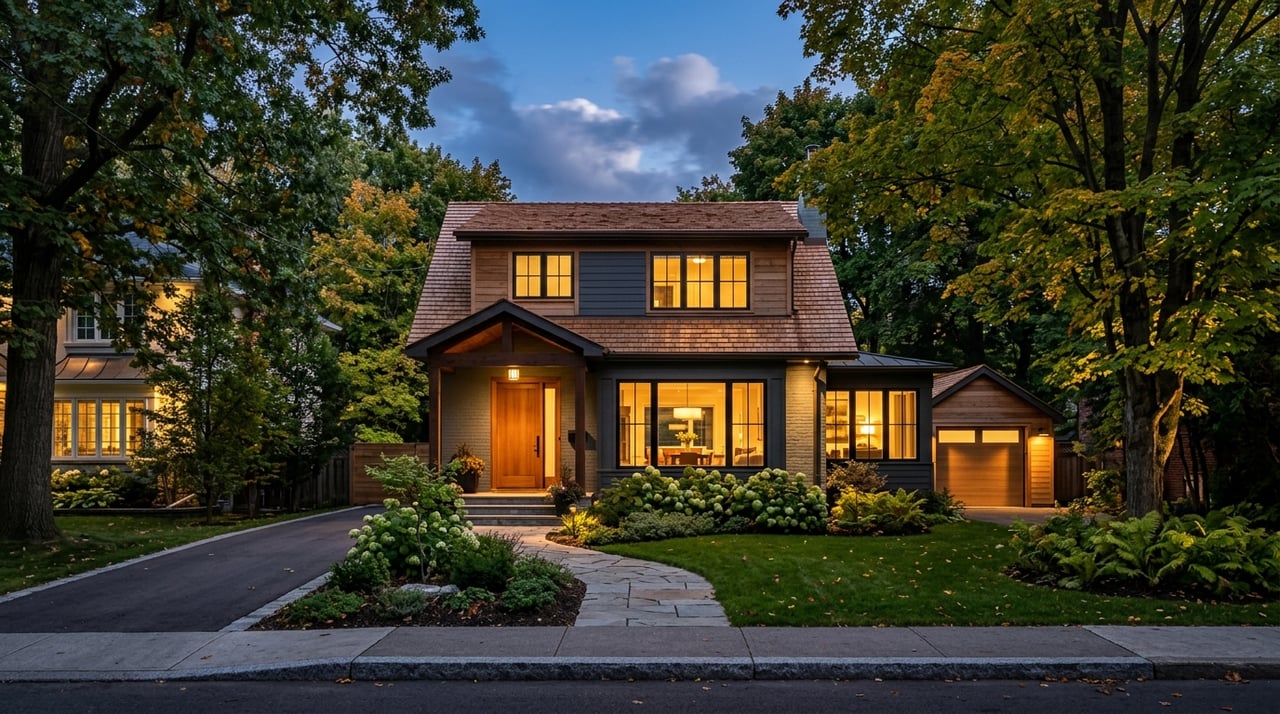
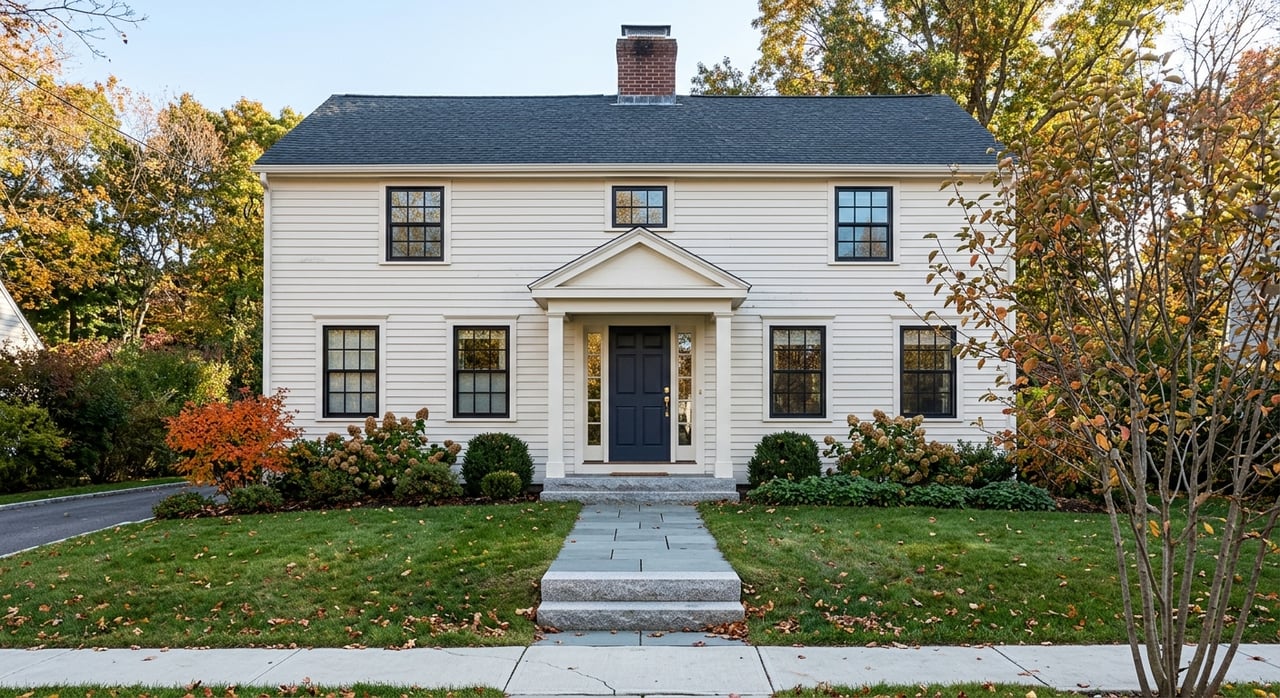
As you move north and outward from the center, housing skews toward mid-20th-century ranches and colonials on larger lots. Streets feel quieter and more suburban. The tradeoff is a longer drive to rail stations and some interchanges.
Transit-oriented pockets
Areas within walking distance of commuter-rail or strong bus routes often feature more condos, townhomes, and smaller-lot single-family homes. If you plan to ride the train most days, target these pockets for the most convenient routines.
Match commute style to neighborhood
If you commute into Boston by rail
Look for homes within a short walk or drive to Lowell Line stations. Condos and townhouses can reduce maintenance and put you closer to transit. Verify parking availability, station rules and peak-hour frequency before you buy.
If you drive the 128 corridor
Focus on neighborhoods near Route 128 interchanges and the Anderson area. Newer single-family homes and townhome communities are common. Expect some traffic noise and busier roads near interchanges, balanced by shorter drives to work.
If you want more space and quieter streets
Outlying and northern neighborhoods offer larger lots and traditional single-family layouts. Plan on a driving-first lifestyle to reach rail, shopping and highways.
Typical commute scenarios
Downtown Boston office
- Transit-first: Prioritize a short trip to a Lowell Line station and plan for station parking or a walkable route. Check the Lowell Line timetable for peak windows.
- Driver-first: Live near an I-93 interchange to shorten your ramp time and consider off-peak arrival or departure when possible.
Route 128 campus or office park
- Driver-first: Choose homes close to Route 128 for consistent commute times. Test your exact ramp-to-office route during peak.
- Mixed: If your employer offers shuttles, map homes near shuttle stops or park-and-ride options.
Hybrid schedule with varied destinations
- Balance: A central location near both I-93 and Route 128 gives you flexibility for different offices, client visits and city trips.
- Quality of life: If you are not commuting daily, you may prioritize housing features, yard size or walkability over the absolute fastest commute.
Due diligence for your house hunt
Use this quick checklist to compare homes through a commute lens:
- Time test drives at your actual commute hours, both directions.
- Visit the commuter-rail station you would use. Confirm parking rules, space availability and walkability from the property.
- Verify condo or HOA parking rules, including guest parking and overnight policies.
- Review property tax details on the city’s assessor pages. The Woburn assessor provides parcel and tax information through the Board of Assessors.
- For condos, read association minutes and reserve studies to understand upcoming projects or special assessments.
- Ask your agent for recent comps and neighborhood trends so you can weigh commute convenience against price and condition.
What to expect from local data
The U.S. Census American Community Survey reports commute mode share and median travel times at the city level. Reviewing the latest ACS snapshots can help you understand how residents get to work and typical travel durations. Explore Woburn’s municipal profile on data.census.gov to see commute patterns and work-from-home trends.
For city planning context, development patterns and zoning maps, the Woburn Planning Board shares meeting materials and planning documents that explain where new housing and transit-oriented projects may emerge.
Building your personal housing map
If you are comparing neighborhoods, it helps to build a simple map at the start of your search:
- Add 10, 20, 30 and 40-minute drive rings from Woburn Center and from your target office location.
- Pin commuter-rail stations on the Lowell Line and note parking rules or permit requirements from the station pages.
- Mark I-93 and I-95/128 interchanges and the major roads you would use most often.
- Label areas by typical housing types: older mixed housing near the center, newer townhomes near Route 128, and larger-lot single-family homes in the outer neighborhoods.
This visual helps you compare tradeoffs quickly and narrow to a short list of streets that fit both lifestyle and commute.
Final thought
Woburn gives you options. Whether you want a character home near the Square, a low-maintenance townhouse close to Route 128, or a classic colonial on a bigger lot, you can align your commute with a neighborhood that fits your day-to-day life. If you want help mapping commute priorities to the right streets and housing types, the Marjie and Phil Team is ready to guide you through a smart, stress-reduced search.
FAQs
What are the main commute options from Woburn to Boston?
- You can drive via I-93 or ride the MBTA commuter rail on the Lowell Line to North Station, depending on your schedule and preference.
How does Route 128 access shape neighborhood choice in Woburn?
- Homes near Route 128 interchanges favor drivers heading to jobs along the 128 corridor, while areas farther out trade faster highway access for quieter streets and larger lots.
Where can I find current MBTA schedules for Woburn-area stations?
- Check the MBTA’s official Lowell Line schedule for up-to-date train times, service notices and station information.
What should I verify about station parking before I buy?
- Confirm pricing, availability, permit policies and walk times during the hours you plan to commute, since conditions vary by station and time of day.
How do I compare commute times between Woburn neighborhoods?
- Time real test drives during peak hours, map multiple routes to your office, and use drive-time rings plus station access to see which streets fit your routine.