Thinking about listing your Arlington home in the next 6 to 18 months? In our market, most buyers shortlist homes online before they ever book a showing. That means how your home looks in the first week has real power to shape interest, offers, and final price. With the right staging strategy, you can stand out, reduce time on market, and set up a smoother sale. Let’s dive in.
Why staging works in Arlington
Arlington and nearby Middlesex County communities attract professionals who value move-in ready homes, efficient commutes, and practical spaces. Many buyers compare listings quickly online, so staged photos and a polished presentation often determine which homes make it onto their shortlists.
Staging is not just cosmetic. It is marketing that shapes buyer perception during the crucial first one to two weeks on market when the most attention happens. In competitive inner-ring Boston suburbs, small differences in condition and presentation can be the reason a listing gets early offers, while unstaged peers lag.
The housing stock here includes many homes with period details. When you highlight original features and modernize high-impact rooms, you speak to local buyer expectations. Dedicated home office setups and usable outdoor areas also remain important for many buyers in Greater Boston.
Staging models for busy sellers
Choosing the right approach comes down to your timeline, budget, and whether you will live in the home during the sale.
Occupied staging
This option uses curated rental furnishings and accessories layered into your existing setup. It is fast and effective if you plan to stay in the home through showings. Busy executives like it because the prep is minimal and the transformation shows clearly in photos.
Vacant staging
Empty rooms can feel smaller and colder in photos and in person. Full furniture rental solves that problem by giving buyers a sense of scale and flow. If you have already moved out, this approach helps your home feel welcoming from the first click.
Partial or targeted staging
Focus on the rooms that matter most. You get the benefits of staging where buyers pay the most attention while controlling cost and setup time. This is common for occupied homes where some spaces already show well.
Virtual staging (photos only)
When physical staging is not possible, digitally furnished images can help buyers visualize the space. Use virtual staging only for photos, and clearly disclose which images are virtually staged. In-person showings should reflect the real setup.
Rooms that sell: what to prioritize
You do not have to stage every inch. Concentrate on spaces that drive decisions.
Entry and foyer
First impressions matter. Clear the pathway, brighten the lighting, and add simple decor so buyers see an easy flow the moment they step inside.
Living room or main gathering space
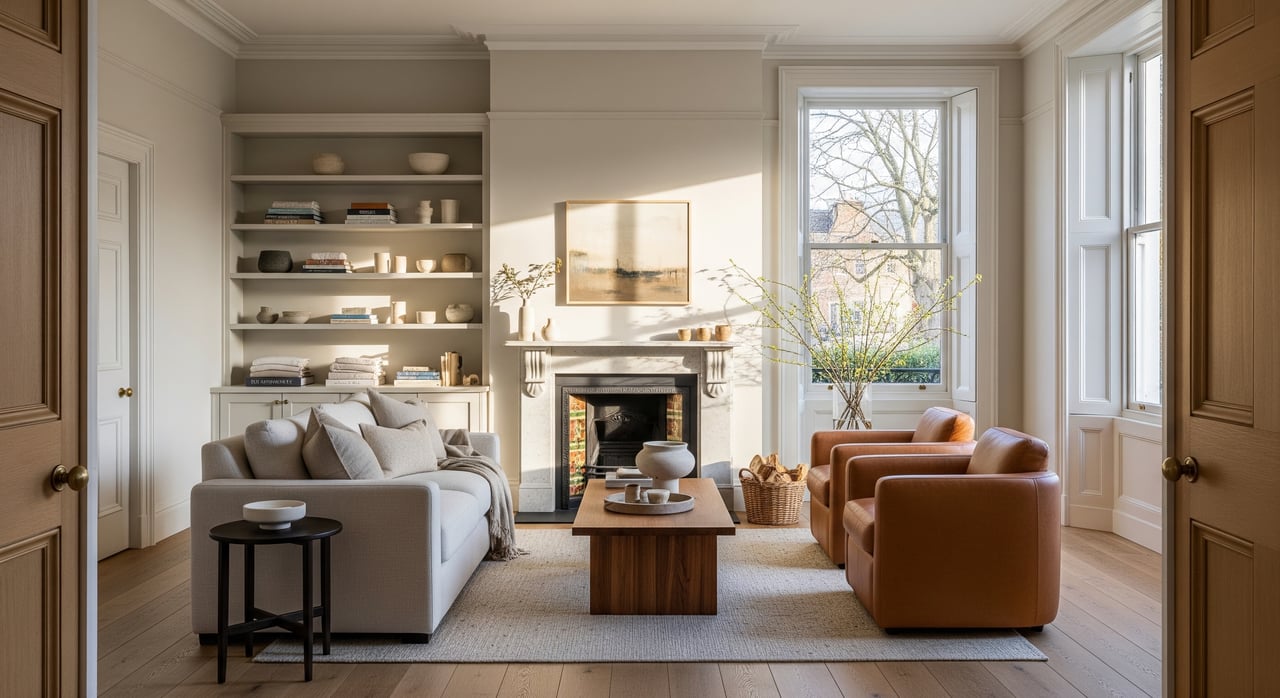
Arrange seating to highlight focal points like a fireplace, built-ins, or a view. This is often the most-viewed room in photos and a top driver of showing requests.
Kitchen
Buyers equate kitchen appeal with value. Clear countertops, update hardware and lighting, and style with neutral pieces. Even small tweaks can change how buyers feel about the whole home.
Primary suite
Create a calm, comfortable retreat. Crisp bedding, scaled furniture, and soft lighting help buyers picture daily life and restful nights.
Home office
A defined workspace signals versatility. In Arlington and nearby Cambridge–Newton–Framingham employment hubs, a functional office area can be a differentiator.
Outdoor space
Stage patios, decks, and backyards as extensions of living space, especially in spring and summer. Simple seating, planters, and tidy landscaping go a long way.
Dining room and secondary bedrooms
Show function and scale. Keep decor neutral and cohesive so buyers can see how their furniture will fit.
Quick upgrades with outsized impact
You can make meaningful changes without a full remodel. Prioritize these high-ROI improvements:
- Declutter and depersonalize. Remove family photos, collectibles, and excess furniture.
- Deep clean throughout. Include carpet cleaning and attention to kitchens and baths.
- Refresh paint with warm neutrals in key rooms.
- Improve lighting with brighter bulbs, matching fixtures, and added lamps.
- Define spaces with area rugs and check floors for needed refinishing.
- Update kitchen and bath touchpoints like cabinet hardware, faucets, caulk, and grout.
- Ensure window treatments are clean, working, and allow natural light.
- Add scaled furniture, cohesive artwork, greenery, and fresh bedding.
- Boost curb appeal with lawn care, planters, fresh mulch, and updated door hardware.
- Prepare for virtual showings with neat backgrounds, good lighting, and a staged work setup.
For time-pressed sellers, a concierge-style plan can combine packing support, minor repairs, cleaning, staging, and key exchanges with one point of contact.
Photos drive showings: get them right
Most buyers discover your home online. Strong, staged photography increases clicks and showing requests. That early activity often drives stronger offers.
Before-and-after approach
- Document a few pre-staging shots for transparency and storytelling.
- After staging, hire a photographer experienced with real estate composition and natural light.
- Capture 20 to 30 quality images covering key rooms, exterior, and lifestyle vignettes.
- Consider a twilight exterior for curb appeal. Use aerials only when appropriate and compliant.
- If using virtual staging, disclose which photos are digitally furnished.
- Lead your photo order with the strongest space, often the kitchen or living room.
Photographer day checklist
- Turn on all lights and open window treatments for bright images.
- Clear counters, hide trash bins, and remove pet items.
- Add small, coordinated accessories like pillows, towels, and fresh flowers.
- Include a floor plan and room measurements to help buyers qualify remotely.
Pricing strategy that leverages staging
Staging affects how buyers perceive condition, which can influence pricing decisions. It also supports a strong launch that reduces the need for early price reductions.
- Use a Comparative Market Analysis that accounts for condition when comparing to similar sales.
- Set an initial list price aimed at the local psychological sweet spot for your price band.
- Launch with staged photos and track first-week performance closely.
- If showings or offers lag, adjust quickly with either pricing or marketing changes.
Track the right KPIs
Keep your strategy grounded in measurable results. Monitor:
- Days on Market compared to your neighborhood average.
- Showings per week and the showings-to-offer ratio.
- List-to-sale price ratio when the home closes.
- Number of offers and days to first offer.
- Frequency and size of any price reductions.
These indicators help you separate presentation wins from pricing issues and guide smart adjustments.
A clear timeline for your sale
A simple, staged plan reduces stress and helps you hit the market ready.
- 6 to 18 months out: Identify any larger repairs or renovations worth doing. Align timing with your move and budget. Get early advice on market conditions.
- 2 to 3 months out: Schedule inspections and contractors, and decide on the staging scope. Lock in photography and floor plan vendors.
- 2 to 3 weeks before listing: Declutter, deep clean, finish minor repairs, and complete any paint refresh. Set staging delivery and styling dates.
- 3 to 7 days before listing: Stage, photograph, capture floor plan, and prepare marketing assets.
- First week on market: Monitor traffic and feedback. Be ready to refine pricing or tactics if benchmarks are not met.
Choosing vendors with confidence
The right partners make the process smooth and predictable.
- Stager: Ask for a portfolio of local work, references, rental pricing, insurance, and delivery and pickup windows. Clarify what is included.
- Photographer: Request samples showing staged interiors, plus HDR, twilight, and 3D capabilities. Confirm turnaround time.
- Handyman or contractor: Verify licensing and insurance. Use itemized quotes for common staging repairs.
- Concierge and packout services: Look for teams skilled in occupied staging with minimal disruption.
Compliance and disclosures
- Disclose virtual staging in your listing and marketing, as required.
- If any rented staging items will stay after closing, include those terms in the purchase contract.
- Follow local rules for exterior signage, dumpsters, and drone usage.
For time-pressed sellers: how we simplify
You want top-dollar results without a second job managing the sale. That is where a coordinated plan shines. Our approach aligns complimentary professional staging with careful pricing, polished photography, and clear timelines. You get a single point of contact to manage vendors, prep, and launch.
As a neighborhood-first team with more than 17 years of experience and hundreds of successful transactions across Arlington and nearby Middlesex County, we know what resonates with local buyers. We focus on the spaces and updates that matter most, then use data to track response and adjust quickly. The result is a confident list date, stronger first-week activity, and a smoother path to closing.
Ready to see how staging could improve your sale? Reach out to the Marjie and Phil Team to map your plan.
FAQs
What is home staging and why does it matter in Arlington?
- Staging uses furniture, decor, and small updates to highlight your home’s best features, which helps your listing stand out online and attract stronger early interest.
Should I stage if I still live in my home during showings?
- Yes, occupied staging is designed for that situation, with rental pieces and styling layered into your home so it photographs and shows at its best.
How do I decide between full, partial, or virtual staging?
- Match the approach to your timeline, budget, and occupancy; full staging fits vacant homes, partial targets key rooms, and virtual is for photos only with clear disclosure.
Which rooms deliver the biggest payoff for staging?
- Focus on the entry, living room, kitchen, primary suite, a defined home office, and outdoor spaces because buyers weigh those areas heavily in decisions.
How does staging connect to pricing and offers?
- Staging improves perceived condition, supports a strong launch, and can reduce the need for early price cuts when combined with a thoughtful pricing strategy.
What timeline should I follow if I plan to sell in 6 to 18 months?
- Start planning repairs early, set your staging scope 2 to 3 months out, complete prep and paint 2 to 3 weeks before listing, and photograph and launch within the final week.