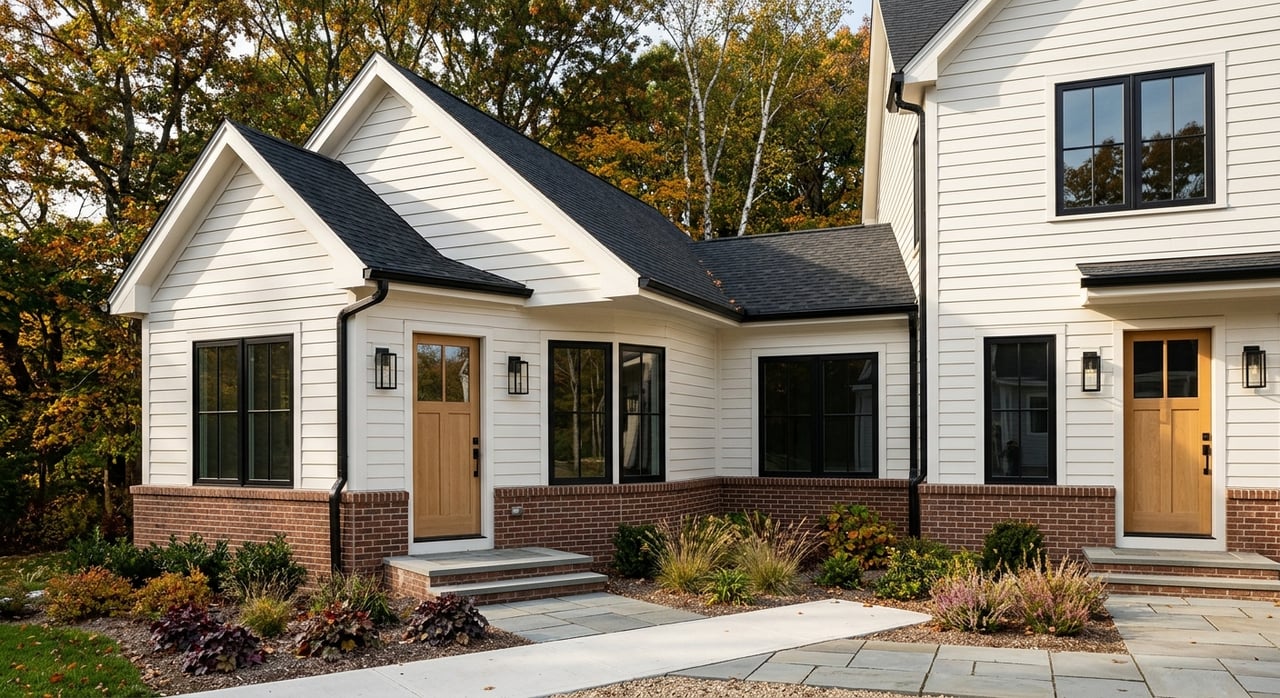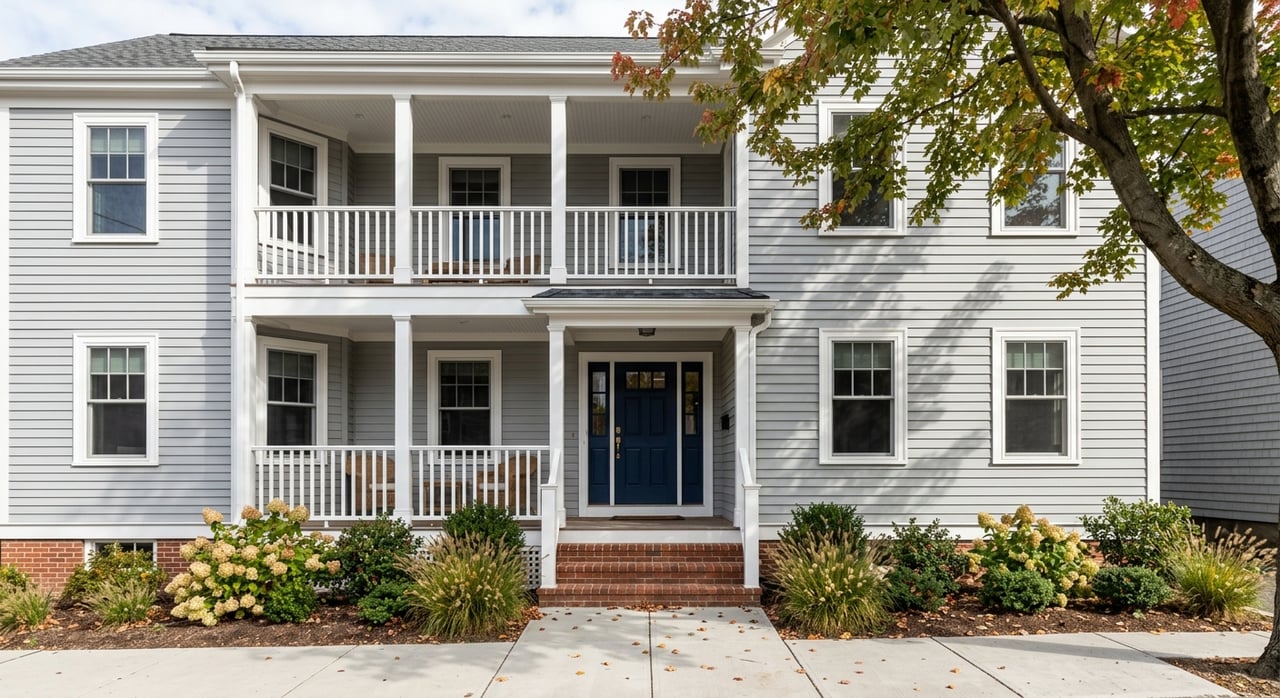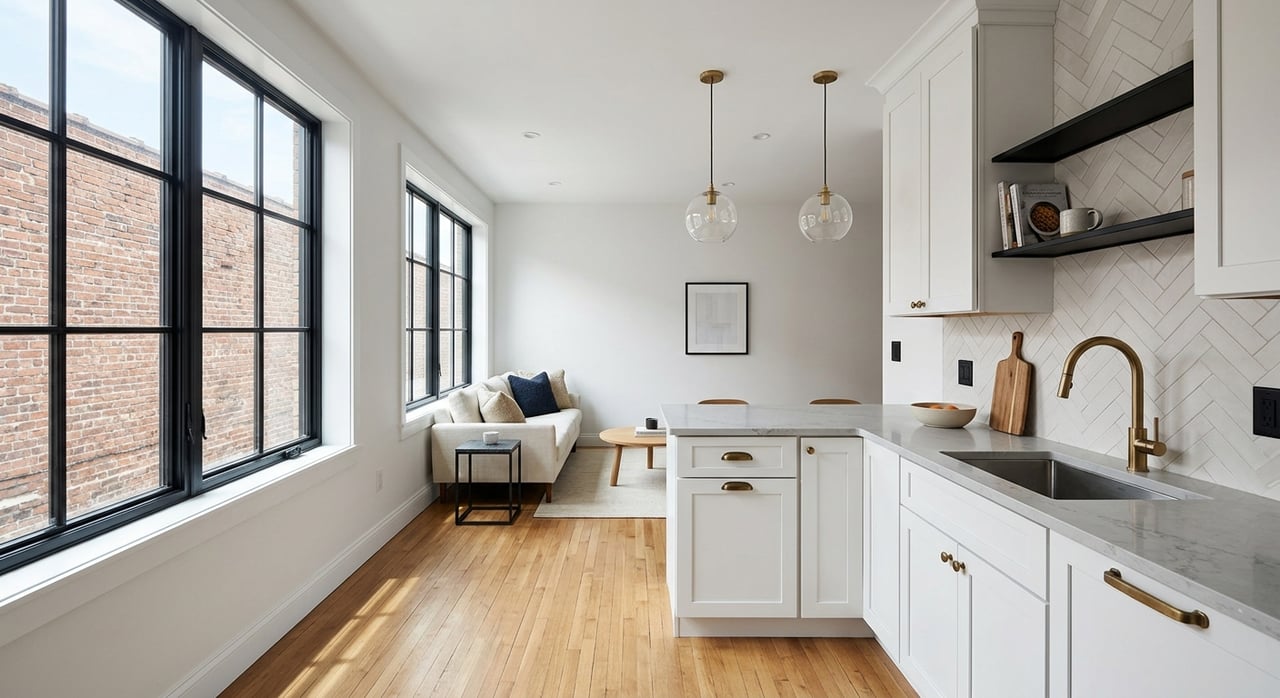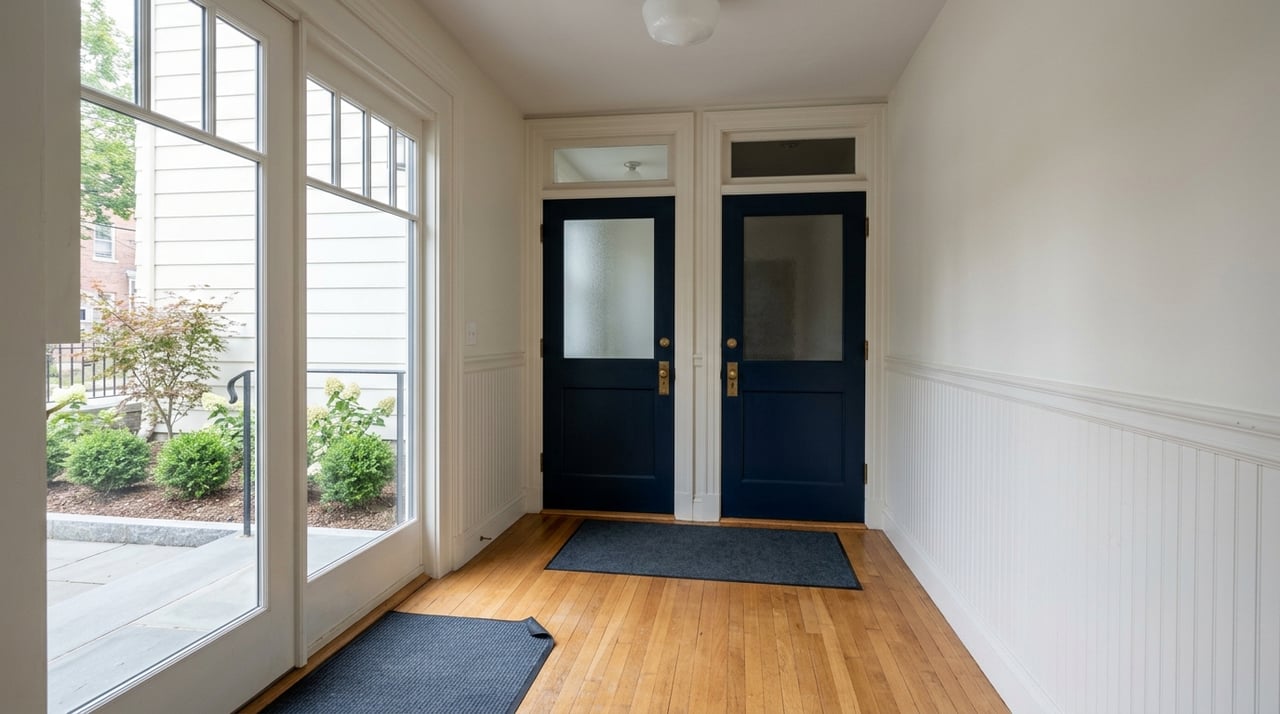
Thinking about converting a Belmont multifamily into condos or buying a newly converted unit? You are not alone. In a tight market with limited inventory, condo conversions can open doors for sellers and buyers alike. This guide explains the basics, the steps, and the local checkpoints you should not skip. You will learn what a conversion involves in Massachusetts, how Belmont’s municipal process fits in, and what due diligence smart owners and buyers complete before signing. Let’s dive in.
What a condo conversion is
A condominium conversion means taking an existing multi-unit building and legally creating individual units that can be sold separately. In Belmont, this often involves a 2–4 unit property where each apartment becomes its own condo. The building’s shared areas remain common elements managed by a condominium association.
For owners, conversions can unlock higher per-unit value and shift long-term maintenance to an association. For buyers, conversions create more ownership options in a community where single-family homes are scarce.
Why conversions matter in Belmont
Belmont sits near Cambridge and Boston, with strong demand from commuters who want access to transit, amenities, and schools. The town has many single-family homes and smaller multifamily buildings, and inventory is often tight. In this setting, a well-executed conversion can attract owner-occupant buyers who want to stay close to work and community.
There are trade-offs to consider:
- Owners may benefit from higher per-unit pricing and exit flexibility, but you will face legal complexity, up-front costs, and possible tenant coordination.
- Buyers gain entry into a desirable area with more attainable price points than many single-family homes, but you take on condo fees, association rules, and potential assessments.
- Community impacts include reduced rental stock when apartments are sold, which can pressure rents in a tight market.
Massachusetts legal basics
Condominium creation in Massachusetts follows state condominium law. Typical steps include drafting and recording the master deed and bylaws or trust, preparing stamped unit and site plans, and recording the instruments at the appropriate Registry of Deeds. You should expect lender requirements around governance, budgets, and reserves, especially for newly formed projects.
To understand structure and consumer guidance, review the state’s overview of condominium ownership on the Massachusetts condominiums topic page. If you are a landlord or tenant in a building that might convert, the state’s landlord and tenant resources outline rights and responsibilities that continue to apply during and after a conversion.
Belmont municipal checks to complete
Local procedures can shape feasibility, cost, and timing. Start with the town and verify current requirements.
Zoning and planning
Confirm whether your property’s use fits zoning and if any change to unit count or parking triggers relief or site plan review. Begin with the Belmont Planning Board for guidance on zoning, special permits, and hearing procedures.
Building code and safety
The Belmont Building Department enforces the state building code. Many conversions require life-safety upgrades such as smoke and CO detectors, egress improvements, and possibly separate utilities. Contact the Belmont Building Department early to scope permits and inspections.
Health and environmental
Older buildings may involve lead paint or asbestos, and properties with private systems may require additional reviews. Direct questions to the Belmont Health Department and relevant state agencies.
Historic districts and exterior changes
If the property sits in a historic district or overlay, exterior work may require review. Confirm before you plan façade or window updates, even if they seem minor.
Tenant protections and notices
Tenants are protected by Massachusetts landlord–tenant laws. Some municipalities adopt additional local tenant protections. Check with the Belmont Town Clerk or the town’s legal office to confirm any local ordinances and notice requirements. Consult a Massachusetts real estate attorney to tailor timing to existing leases.
Recording and taxes
Once documents are ready, you record the master deed and related instruments at the Middlesex County Registry of Deeds serving Belmont. Learn more through the Middlesex South Registry of Deeds. After recording, the Belmont Assessor’s Office will reassess and tax each condominium unit separately.
Key documents in a Massachusetts conversion
- Master deed or declaration that establishes the condominium and defines unit boundaries and common areas.
- Bylaws or condominium trust that outlines governance, voting, budgets, and rules.
- Stamped unit floor plans and a site plan prepared by a registered professional.
- Unit deeds for each closing that reference the master deed.
- Initial operating budget and reserve schedule. Many lenders ask for these before approving buyer financing.
- Disclosure package for buyers, including governing documents and financials.
Typical steps and timeline in Belmont
Timelines vary with building conditions, municipal approvals, and tenant status. Small 2–4 unit conversions can sometimes finish in months, while projects needing major upgrades or zoning relief can take a year or more.
1) Pre-feasibility, 0–2 months
- Market check. Estimate likely per-unit sale prices and condo demand versus rental value.
- Building scan. Review structure, roof, systems, egress, fire safety, and parking.
- Zoning scan. Confirm use, parking ratios, and district requirements.
- Professional consults. Speak with Belmont planning and building staff and retain a Massachusetts condominium attorney.
2) Planning and legal setup, 1–3 months
- Hire an architect or engineer to draft unit and site plans.
- Have counsel draft the master deed, bylaws, and related instruments.
- Build a budget that includes design, permits, construction, reserves, closing costs, and recording fees.
3) Permitting and upgrades, 2–9 months
- Pull building permits for required safety and system work.
- If zoning relief is needed, schedule and attend public hearings.
- Complete construction and pass inspections.
4) Recording and formation, 1–4 weeks
- Execute and record the master deed and related documents at the Registry.
- Form the condominium association and establish initial governance.
5) Marketing and sales, variable
- Prepare disclosure packages for buyers and lenders.
- List individual units for sale. Staging, precise pricing, and clear documentation help speed approvals and closings.
6) Post-closing operations
- Transition to association management.
- Set up reserve funding, insurance, and routine maintenance.
Costs and financing to expect
Budget carefully. Actual costs depend on building condition and required upgrades.
- Professional fees. Attorney, architect or engineer, and surveyor costs can range from a few thousand to tens of thousands depending on complexity.
- Permits and inspections. Vary by scope and duration of work.
- Building upgrades. Life-safety, egress, and utility separation can be significant.
- Recording and title. Registry fees, title updates, and lien releases.
- Marketing and sales. Staging, photography, commissions, and closing costs.
Financing is project-specific. Sellers may use a construction or rehab loan. Buyers should confirm loan program eligibility for the condominium project early. New or small associations may face additional lender reviews. Some loan programs have project approval standards that must be met before closing.
Due diligence for owners and developers
Use this as a roadmap before you commit time and capital.
- Legal and municipal
- Meet with Belmont’s Planning Board and Building Department to confirm requirements.
- Check zoning constraints and whether any overlays or historic districts apply.
- Retain a Massachusetts attorney experienced with condominium conversions.
- Physical condition and engineering
- Complete a full building inspection, including structure and envelope.
- Conduct a fire and life-safety audit for alarms, egress, and code items.
- Evaluate mechanical, electrical, and plumbing for separate metering and capacity.
- Plan for hazardous materials testing and remediation where needed.
- Cost and financing
- Build a detailed budget with contingency.
- Outline a financing plan for construction and soft costs.
- Draft a reserve funding plan for the future association.
- Governance and documents
- Draft the master deed and bylaws with clear boundaries and responsibilities.
- Prepare an initial operating budget and reserve schedule for lender review.
- Decide on professional property management versus owner-managed operations.
- Tenants and occupancy
- Review leases and renewal timelines.
- Understand all notice and relocation requirements with your attorney.
- Sales and disclosure
- Prepare a complete buyer document package.
- Confirm lender requirements for project eligibility and approvals.
Due diligence for buyers and small investors
Do not skip document and financial reviews, even for newly renovated spaces.
- Documents to obtain
- Master deed, bylaws or trust, unit floor plan, and the association budget.
- Recent financials, reserve study if available, insurance policy, and meeting minutes.
- Any disclosures about pending litigation or capital projects.
- Financial checks
- Monthly condo fee and what it covers.
- Reserve funding levels and any special assessments.
- Current property taxes and expectations after reassessment.
- Availability of desired financing programs for the project.
- Physical and code
- Independent home inspection of the unit and visible common areas.
- Verification that required permits were pulled and closed.
- Details on recent work and any warranties.
- Governance and rules
- Review occupancy limits, rental policies, pet rules, and parking allocations.
- Understand voting and how large expenditures get approved.
- If you plan to rent the unit
- Confirm rental policies in the bylaws.
- Evaluate local rent levels and demand in Belmont and nearby towns.
Risks and market impacts to weigh
- Affordability. Conversions reduce the number of rental units, which can affect local rent levels in a tight market.
- Assessments and reserves. Underfunded reserves can lead to special assessments. Buyers should read budgets closely.
- Taxes. After conversion, each unit is taxed separately. Factor projected taxes into your budget.
- Neighborhood character. Owner occupancy can drive upgrades and maintenance, but displacement concerns can arise when tenants leave.
How we help owners and buyers in Belmont
If you are an owner, we help you evaluate whether conversion makes financial sense versus selling as a multifamily rental. You get pricing analysis, positioning, and a plan to bring units to market. Presentation matters, so complimentary staging and best-in-class marketing help maximize results when you sell.
If you are a buyer, we guide you through project eligibility, budgets, and reserves so you can buy with confidence. You get clear comps, a strategy to compete, and introductions to local lenders who understand condominium projects.
Every conversion is unique. Always confirm current procedures with the town and work with a Massachusetts attorney for documents and notices. When you are ready to explore options, reach out to the Marjie and Phil Team for local guidance rooted in years of inner-suburb experience.
FAQs
Can I convert my Belmont rental into condos?
- Possibly. Feasibility depends on zoning, building code compliance, tenant leases, and financing. Start with Belmont’s planning and building staff and consult a condominium attorney.
What protections do tenants have during a conversion in Belmont?
- Tenants are protected by Massachusetts landlord–tenant laws, and any local ordinances that may apply. Confirm current requirements with the town and your attorney.
How long does a small Belmont condo conversion take?
- Simple 2–4 unit projects can sometimes finish in months. Projects needing zoning relief or significant upgrades often take a year or more.
What will a conversion cost an owner in Belmont?
- Costs vary widely. Expect professional fees, permits, life-safety and egress work, possible utility separation, marketing, and recording fees. Build a contingency.
Can I use FHA or VA financing to buy a newly converted Belmont condo?
- Possibly. Availability depends on lender and project eligibility. Confirm program approvals early in your search.
What documents should a buyer review in a Belmont condo conversion?
- Review the master deed, bylaws or trust, budget, reserve information, insurance, meeting minutes, and any disclosures about repairs or legal issues.
How will property taxes change after a conversion in Belmont?
- After the master deed is recorded, each unit is assessed and taxed separately. Check current assessment procedures with the Assessor’s Office and factor the change into your budget.