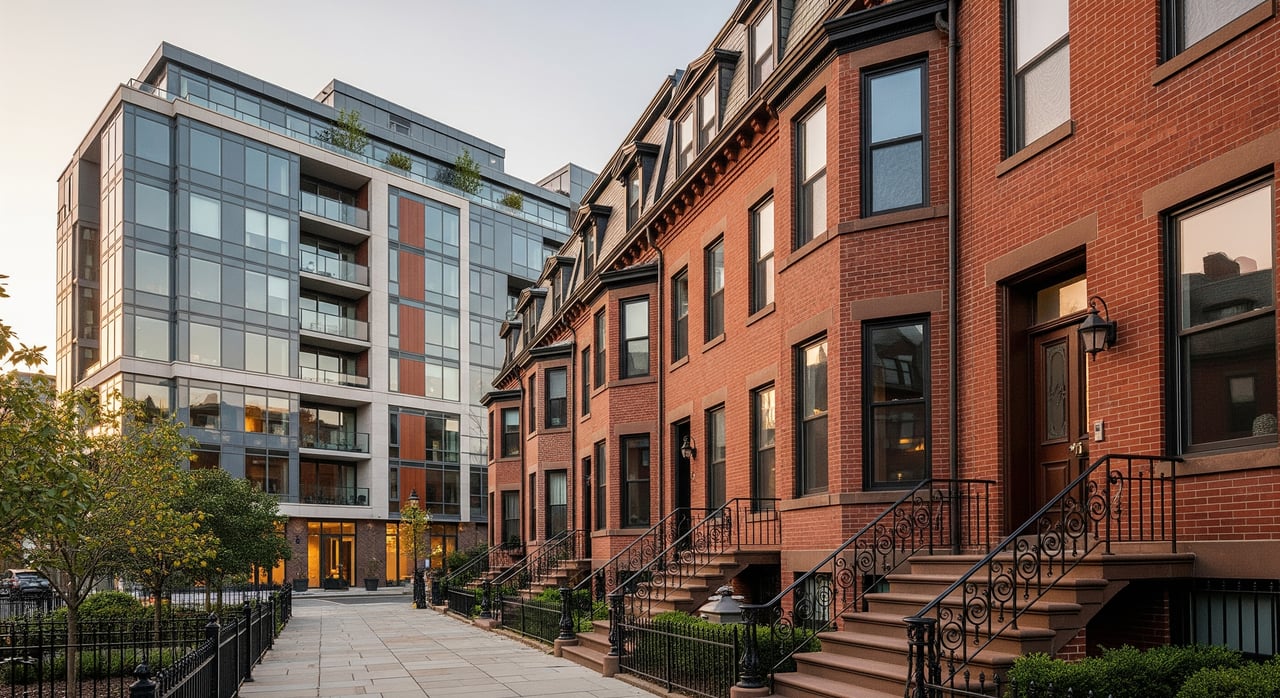
Trying to pick between a condo and a townhouse in Everett? You are not alone. Each option changes your monthly costs, maintenance, parking, and even loan choices. In this guide, you will learn how to compare them the right way for Everett, what to check in the association docs, and a simple decision framework to make your choice clear. Let’s dive in.
Everett pricing: compare apples to apples
Everett is a small market, so averages can bounce around. You want current, local numbers that reflect closed sales, not list prices. Ask for a 6 to 12 month extract of closed sales from MLS PIN that separates condos from townhouses.
Make sure the data controls for size, beds and baths, age, condition, parking, and location inside Everett. Verify living area with the Everett Assessor or Middlesex County records to keep square footage consistent. For stability, focus on median price per square foot and the interquartile range. If the sample size is small, compare price per room or per bedroom as a cross-check.
When you request numbers, be specific. Say: “Show me closed condo sales and closed townhouse sales in Everett for the last 12 months with sale price, living area, beds and baths, year built, parking type, HOA fee, and location cluster.” Also ask for the number of comps used so you understand the limits of the sample.
HOA fees and budgeting
Condo and townhouse associations often look similar on paper, but the fee scope can be very different. You want to know what your fee pays for and whether reserves are strong enough to avoid surprise bills.
What fees usually cover
Typical dues fund building and grounds maintenance, landscaping, common utilities, trash, the master insurance policy, reserve contributions, and management. Extras like snow removal, elevator service, security, garage or underground parking, and amenities can raise fees. In some associations, heat or hot water is included.
What drives higher fees in Everett
Newer buildings with elevators or garage parking tend to have higher dues. Older, small conversions might have lower dues but also smaller reserves. Townhouse fees vary. A fee-simple townhouse may have minimal dues for shared roads or landscaping only. A townhouse structured as a condo can operate like a traditional condo association with broader coverage.
Reserves and special assessments
A healthy reserve fund lowers your risk of special assessments. Ask for the latest reserve study and current reserve balance. Review meeting minutes for the last 12 to 24 months. Red flags include low reserves for the building’s age, frequent assessment votes, or hints of big projects without a plan.
Rules that affect lifestyle and budget
Common rules include rental caps or short-term rental limits, pet policies, renovation approval steps, parking assignments and guest parking rules, and standards for HVAC or window changes. These rules affect flexibility and costs, so review them before you commit.
Documents to request
- Condominium master deed, bylaws, and rules
- Current budget, income and expense statements, and bank statements for reserves
- Meeting minutes for the past 12 to 24 months and any litigation disclosures
- Resale certificate and association insurance certificate
- Clear summaries of rental and pet policies
Maintenance and space trade-offs
Your maintenance tolerance is just as important as your budget. Think about who handles the roof, siding, and yard, and how the layout fits your daily life.
Condos: lower maintenance living
Condos usually shift exterior maintenance, roof, building systems, landscaping, and snow removal to the association. You handle interior finishes, utilities in your unit, and often your HVAC. Layouts are often single level, which many buyers find simple to live in and maintain.
Townhouses: house-like space
Townhouses often deliver a private entry, multi-level living, and sometimes a small yard or garage. If fee-simple, you likely handle exterior items like roof, siding, yard, and driveway. If the townhouse is legally a condo, the association may cover some exterior items. Always confirm the legal structure and coverage.
Privacy, layout, and noise
Condos can have more shared walls and neighbors above or below. Townhouses offer more vertical separation and a house-like feel. Think about whether you prefer a single-floor plan or separate levels for work, sleep, and living.
Inspection focus by type
For condos, focus on roof age, elevator maintenance, boiler or chiller systems, parking deck condition, exterior envelope, and any water intrusion history. Read minutes for recurring building issues. For townhouses, request a full exterior and structural review: roof, siding, foundation, drainage, shared walls, and any shared-driveway or easement terms.
Everett commuting and parking
Access to downtown Boston and major routes such as I-93 and Route 1 plays a large role in value. Many buyers also care about walkability to bus lines and nearby rapid transit. Map your commute options and time them during your typical travel hours.
Parking can be a deciding factor. Condos may offer assigned or unassigned spaces in a surface lot or garage. Guest parking varies and may include fees. Townhouses more often include a driveway and sometimes a garage. Confirm whether any spaces are deeded or part of common elements. On-street parking rules in Everett can vary by area and season, so review local permit and time-limit policies before you buy.
Financing, taxes, insurance in MA
Financing and insurance can differ by ownership type and by the association’s profile. Confirm these details early so you do not lose time during underwriting.
Condo warrantability and loans
Some condos are considered non-warrantable by Fannie Mae and Freddie Mac due to factors like high rental percentages, low reserves, or pending litigation. Non-warrantable status can limit loan options or require larger down payments. Ask for the condo questionnaire, budget, reserve study, and master insurance policy so your lender can evaluate eligibility.
Townhouse lending and structure
Fee-simple townhouses without a master association are often financed like single-family homes. Townhouses that are part of a condominium association follow condo lending rules. Confirm the legal structure up front.
Insurance differences
Condo owners typically buy HO-6 policies that cover interior finishes and personal property. The master policy covers the exterior and common areas. Townhouse owners in fee-simple arrangements usually carry HO-3 policies that cover the full structure and property. If the townhouse is in a condo association that covers some exterior items, policy responsibilities may be mixed. Ask about master policy deductibles and who pays them after a loss.
Property taxes and MA regulations
Property tax in Massachusetts is based on assessed value and the municipal tax rate, not the ownership type by itself. Review the current Everett tax bill and ask how any special assessments are billed if the association levies them. If you are buying a condo or a condo-structured townhouse, get familiar with the Massachusetts Condominium Act, Chapter 183A, which governs condo operations.
Simple decision framework
Start with your priorities. Rank space needs, maintenance tolerance, maximum monthly payment, commute preferences, parking needs, and any rental or pet flexibility you want. Be clear about non-negotiables.
Score each property on these factors: total monthly housing cost, maintenance responsibility, commute convenience, parking adequacy, resale appeal within Everett, and financing complexity. Use a simple 1 to 5 scale. Keep notes on trade-offs.
Run a monthly scenario for your top condo and top townhouse. Include mortgage, HOA dues, insurance, property tax, and a maintenance allowance. For condos, consider a reserve for possible assessments. For townhouses, include an allowance for exterior upkeep like roof or siding over time.
Buyer due-diligence checklist
- MLS PIN closed sales for 6 to 12 months: condo vs townhouse, with beds, baths, square footage, parking, HOA fee
- Verification of living area from the Everett Assessor or Middlesex County records
- Association documents: master deed, bylaws, rules, budget, reserves, bank statements, and meeting minutes for 12 to 24 months
- Insurance: master policy certificate and HO-6 or HO-3 guidance from your insurer
- Financing: condo questionnaire, lender review for warrantability, and any noted restrictions
- Property condition: roof age, exterior envelope, elevator and parking structure (condo), foundation and drainage (townhouse)
- Use rules: rental policy, short-term rental rules, pet policy, renovation approvals
- Parking terms: number of deeded spaces, guest parking rules, and any fees
Which option fits you
Choose a condo if you want lower day-to-day maintenance, a simpler single-level layout, and you are comfortable with association rules and dues. This path can be great if you value a lock-and-leave lifestyle and proximity to transit.
Choose a townhouse if you want more separation of space, a private entrance, and possibly a small yard or garage. You will likely take on more exterior responsibilities unless the association covers them. Confirm the legal structure and coverage so your budget is accurate.
If you are still on the fence, line up two comparable options and run the monthly scenario. The right choice is often the one that fits your daily routine, commute, and comfort with maintenance while staying within your monthly target.
Ready to compare real Everett options side by side and run the numbers with confidence? Reach out to the Marjie and Phil Team for local guidance and a clear plan for your next move.
FAQs
What costs differ between an Everett condo and a townhouse?
- Condos often trade lower exterior maintenance for recurring HOA dues that cover shared services, while townhouses may have lower dues but shift more exterior costs to the owner.
How do HOA reserves and special assessments impact my budget?
- Strong reserves reduce the chance of special assessments; review the reserve study, current balance, and meeting minutes to gauge risk before you buy.
What does condo warrantability mean for Everett buyers?
- Warrantability is a lender standard that affects loan options; non-warrantable condos may require larger down payments or portfolio loans due to association factors.
How should I compare commuting and parking in Everett?
- Map your daily route to work and nearby transit, confirm whether parking is deeded or assigned, and review local on-street permit and time rules before committing.
What insurance policies do condo and townhouse owners carry in Massachusetts?
- Condo owners usually carry HO-6 for interiors and belongings, while fee-simple townhouse owners often carry HO-3 for the full structure and property.
Which association documents should I review before making an offer?
- Ask for the master deed, bylaws, rules, budget, reserve data, bank statements, meeting minutes, resale certificate, and the master insurance certificate.