Wondering if a small multifamily property in Belmont is a smart move? You are not alone. For buyers looking to offset housing costs, create rental income, or build a long-term foothold in a high-demand suburb, Belmont can be appealing, but it also asks you to be careful. This guide walks you through how Belmont’s small multifamily market works, what makes these properties different, and the key questions to ask before you buy. Let’s dive in.
Belmont’s Small Multifamily Market
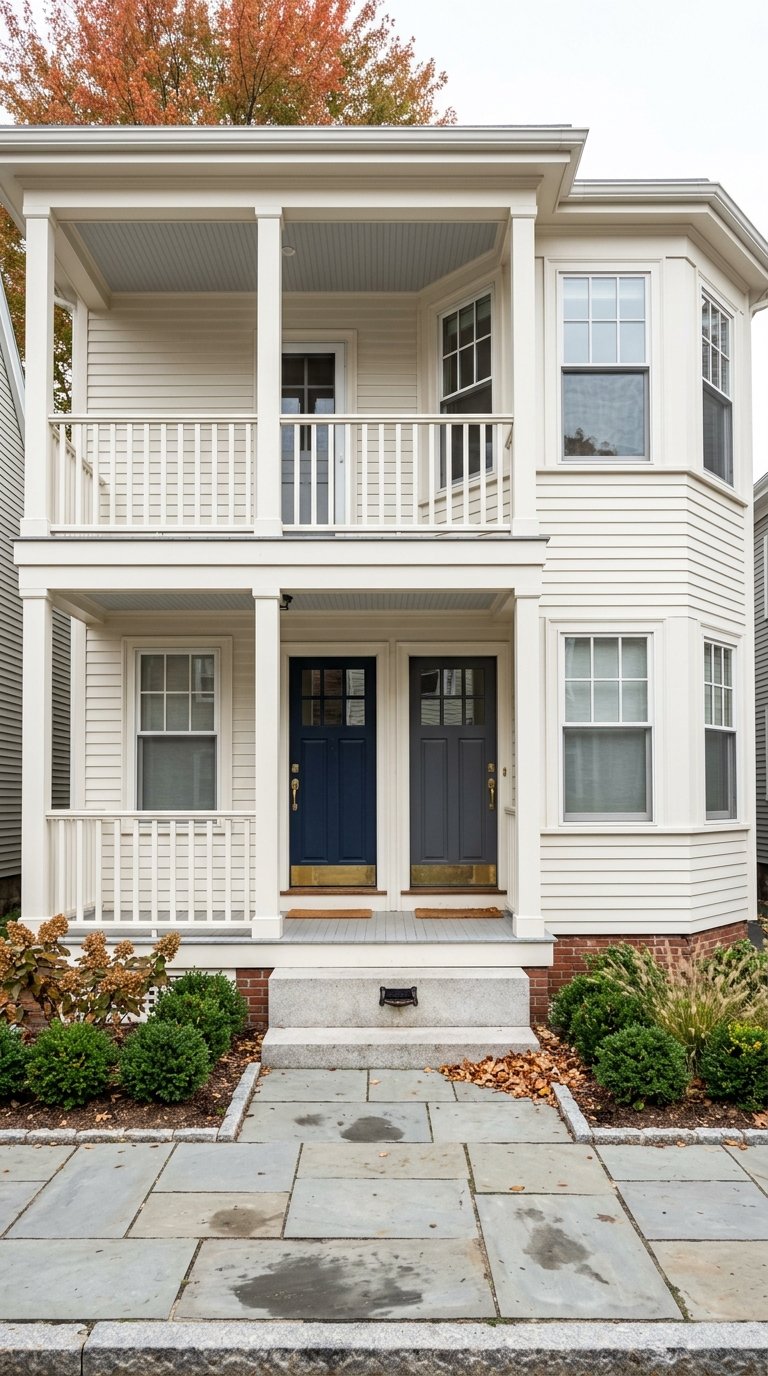
Belmont is often seen as a single-family town, but the housing stock tells a more layered story. Belmont’s housing plans show that small multifamily properties are already a meaningful part of the local market, with about 33.9% of housing in two-unit buildings and another 9.1% in 3-4 unit buildings. The town also reports that renters are most likely to live in a two-family home.
That matters if you are shopping for a two-family or three-family property. In Belmont, this is not a fringe housing type. It is an established part of the town’s existing housing fabric, even if inventory can still feel limited.
Why Buyers Look at Belmont Multifamilies
For many buyers, the appeal is simple. A small multifamily property can offer a path to owner-occupancy with rental income, or a modest investment opportunity in a location with steady housing demand.
Belmont’s 2024 market analysis says average asking rents in the town’s multifamily market climbed from about $2,000 per month in 2014 to more than $3,000 today. The same report notes low vacancy and nearly full absorption of newly delivered units, which points to continued rental demand.
Census QuickFacts add more context. Belmont has a 64.7% owner-occupied rate, a median owner-occupied home value of $1,159,000, a median gross rent of $2,527, and a median commute of 29.3 minutes. Put together, those numbers suggest a high-cost market where rental housing remains important and often hard to replace.
Expect Older Housing Stock
One of the biggest realities in Belmont is age. The town says nearly 60% of its housing stock was built before 1940, and more than 60% was built before 1939 in earlier housing production materials.
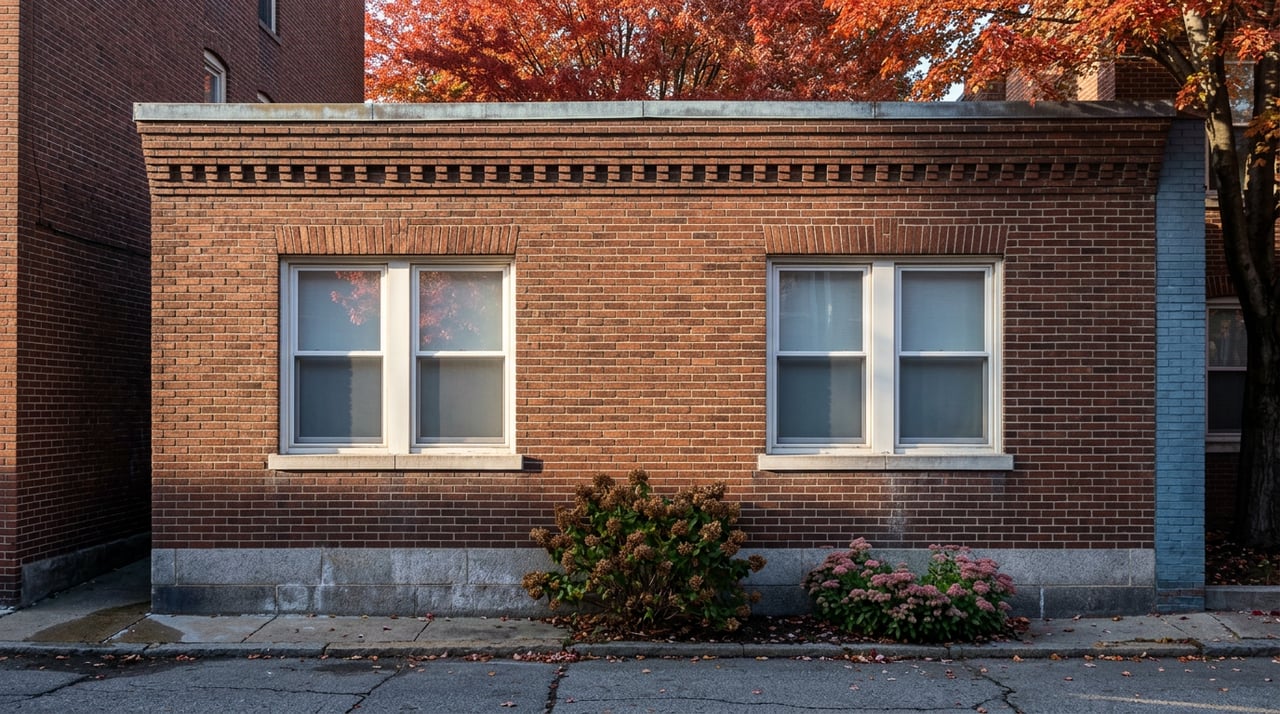
For you as a buyer, that usually means character and location may come with extra upkeep. Many small multifamily options are likely to be older buildings that are utility-heavy, renovation-sensitive, and not always turnkey.
That does not mean you should avoid them. It means you should underwrite the property with care and look beyond cosmetic updates.
What Older Multifamilies Can Mean for You
Older two-family and three-family homes can come with deferred maintenance, aging systems, and layout quirks. A polished kitchen or fresh paint job may not tell you much about the roof, drainage, insulation, electrical service, or long-term repair needs.
Belmont’s housing planning materials also flag lead and accessibility as common issues in older housing stock. If you are looking at a building from before 1978, lead-based paint should be part of your due diligence.
Lead Paint and Disclosure Rules
Massachusetts says homes built before 1978 may contain lead-based paint. The state also requires lead law disclosures in sales and rentals.
If you plan to live in one unit, rent the others, or lease to households with young children, this issue deserves early attention. You will want to understand the property’s history, any prior deleading work, and what obligations may apply to your future use.
Belmont Zoning Matters More Than You Think
Belmont has become more flexible in some ways. Current Housing Trust guidance says ADUs and 2- and 3-family homes are allowed by right in the General Residence and Single-Residence districts. The 2025 zoning bylaw also includes a Multifamily Housing Overlay District adopted in November 2024 as part of Belmont’s MBTA Communities compliance.
Still, allowed by right does not always mean simple in practice. Belmont’s zoning bylaw says single- and two-family dwellings in General Residence districts require Design and Site Plan Review, which can affect additions, conversions, and site changes.
Site Planning Can Affect Your Budget
When buyers think about a multifamily purchase, they often focus on kitchens, baths, and rental income. In Belmont, site work can matter just as much.
The town’s review criteria in General Residence districts include building scale, driveway siting, parking circulation, open space, screening, and drainage. In plain terms, that means your project costs may involve more than interior renovation. Parking layout, lot design, and drainage issues can all shape how practical or expensive a property becomes.
Questions To Ask Before You Buy
A careful buyer should verify a few things early, especially if the numbers feel tight.
- Is the current unit count legal?
- Would your planned conversion, addition, or expansion trigger Design and Site Plan Review or another town review?
- Do parking, frontage, open space, or drainage constraints limit what you can do with the property?
- Was the home built before 1978, and if so, what lead-related disclosures or work should you expect?
These questions can help you avoid treating a complex property like a simple cosmetic rehab.
Rental Demand Is Real, but So Is the Cost of Entry
Belmont appears to support rental income, but it is not an easy-entry market. High property values can narrow your margin for error, especially if you are a first-time investor or buying with a house-hack strategy.
That is the tradeoff. You are buying into a location with documented rental demand and limited supply, but you are often doing it at a high basis with older housing stock and a review process that may affect your plans.
How Belmont Compares With Arlington and Watertown
If you are considering nearby alternatives, Belmont helps to frame the decision clearly. Arlington and Watertown can offer different entry points and market dynamics.
Arlington is somewhat less expensive by Census measures, with a median owner value of $933,800 and median gross rent of $2,082. Its housing planning materials also show a large base of two-unit homes, making it a more established two-family corridor market.
Watertown is more renter-heavy, with a 48.8% owner-occupied rate, a median owner value of $737,600, and median gross rent of $2,357. The city also adopted MBTA Communities-compliant zoning in late 2024 and received state approval in 2025, reflecting a more active multifamily growth framework.
Belmont, by comparison, looks more supply-constrained and more owner-wealthy. If you want a small multifamily in Belmont, you are often paying for scarcity, location, and long-term demand rather than easy upside.
Who Belmont Small Multifamilies May Fit Best
Belmont can make sense for a few types of buyers. It may fit you if you want to live in one unit and offset costs with rent, if you value a long-term hold in an inner-ring suburb, or if you are comfortable taking on an older property with a thoughtful renovation plan.
It may be less forgiving if you need immediate cash flow, minimal repair work, or a straightforward value-add project. In Belmont, the details matter, and small mistakes can become expensive ones.
A Smart Buying Strategy in Belmont
The strongest approach is usually a disciplined one. Focus on legal unit status, realistic renovation scope, lot constraints, and the actual path to your intended use.
It also helps to compare Belmont opportunities with nearby towns rather than viewing each listing in isolation. In a market where inventory is tight and pricing is high, context can protect you from overpaying or underestimating the work ahead.
If you are weighing a two-family or three-family purchase in Belmont, local guidance can make a real difference. The right strategy starts with understanding the block, the zoning, and the numbers, not just the listing photos. If you want help evaluating your options in Belmont and nearby inner-ring suburbs, reach out to the Marjie and Phil Team.
FAQs
What makes small multifamily properties in Belmont different from nearby towns?
- Belmont has an established base of two-family and small multifamily housing, but it is still a supply-constrained, high-cost market with many older buildings and town review considerations.
What should buyers check before purchasing a Belmont two-family or three-family home?
- You should verify legal unit count, possible Design and Site Plan Review triggers, lead-related issues for pre-1978 homes, and whether parking, frontage, open space, or drainage could affect your plans.
Are small multifamily homes in Belmont usually older properties?
- Yes. Belmont’s housing stock is heavily older, with nearly 60% built before 1940, so many multifamily opportunities may require more careful inspection and renovation planning.
Is there rental demand for multifamily properties in Belmont?
- Belmont’s market analysis reports rising asking rents, low vacancy, and strong absorption of new units, which supports the case for continued rental demand.
How does Belmont compare with Arlington and Watertown for multifamily buyers?
- Belmont appears more supply-constrained and higher-priced, Arlington has a more established two-family market, and Watertown is more renter-oriented with a more active multifamily growth framework.