If you have lived in your Winchester home for decades, selling it can feel like two jobs at once: preparing a property for the market and letting go of a place full of memories. That mix is normal, especially when every room tells part of your family story. The good news is that with the right plan, you can make the process more manageable, protect your time, and position your home strongly in today’s market. Let’s dive in.
Winchester market timing matters
In Winchester, presentation and pricing carry real weight because buyers move quickly and compare carefully. According to Redfin’s Winchester housing market data, the median sale price was $1,335,000 in February 2026, homes sold in a median of 21 days, sellers received 4 offers on average, and the median sale-to-list ratio was 101.5%.
That pace stands out even more when you compare it with the broader market. Redfin’s national report in the same period showed a U.S. median of 66 days on market, which is far slower than Winchester. In a market like this, a clean, polished launch often matters more than trying to test an overly ambitious price.
Winchester’s 2024 to 2029 Housing Production Plan executive summary also points to limited housing supply and high real estate prices. That helps explain why demand can remain strong, but it also means buyers may be selective about condition, maintenance, and how a home shows online.
Start with the emotional side
Selling a long-time family home is not just a financial decision. It can bring up grief, anxiety, and a sense of change, especially if you are downsizing or closing a major chapter. That emotional piece deserves a place in your plan.
AARP’s downsizing guidance recommends starting with the least emotional rooms first. That approach can help you make steady progress without getting stuck on the hardest spaces right away.
It also helps to think of the first round as editing, not deciding everything forever. Your early goal is to reduce volume and visual noise so buyers can see the space clearly. You do not have to solve every keepsake decision in one weekend.
Decluttering is the first big win
For most long-time owners, decluttering creates the biggest immediate impact. The National Association of Realtors says sellers may want to clean windows, carpets, lighting fixtures, and walls, and store away clutter before showings in its consumer guide to preparing to sell your home.
That same guidance lines up with the broader staging data. In NAR’s report, the most common recommendations were decluttering at 91%, cleaning the entire home at 88%, and improving curb appeal at 77%.
If your home has been lived in and loved for many years, this step can be transformative. Less furniture, fewer personal items, and clearer surfaces can make rooms look larger, brighter, and easier for buyers to understand.
Where to begin first
Start with spaces that tend to collect the most visible overflow:
- Guest bedrooms
- Basements
- Closets
- Bookshelves
- Kitchen counters
- Entry areas
- Family rooms with extra furniture or décor
As you go, sort items into simple categories:
- Keep
- Donate
- Discard
- Pack for your next home
- Set aside for family review later
This can help you keep momentum without turning every box into a major decision.
Focus on light updates, not major renovations
Many sellers assume they need a full remodel to compete. In reality, lighter improvements are often the smarter move, especially when you want to balance effort, cost, and timing.
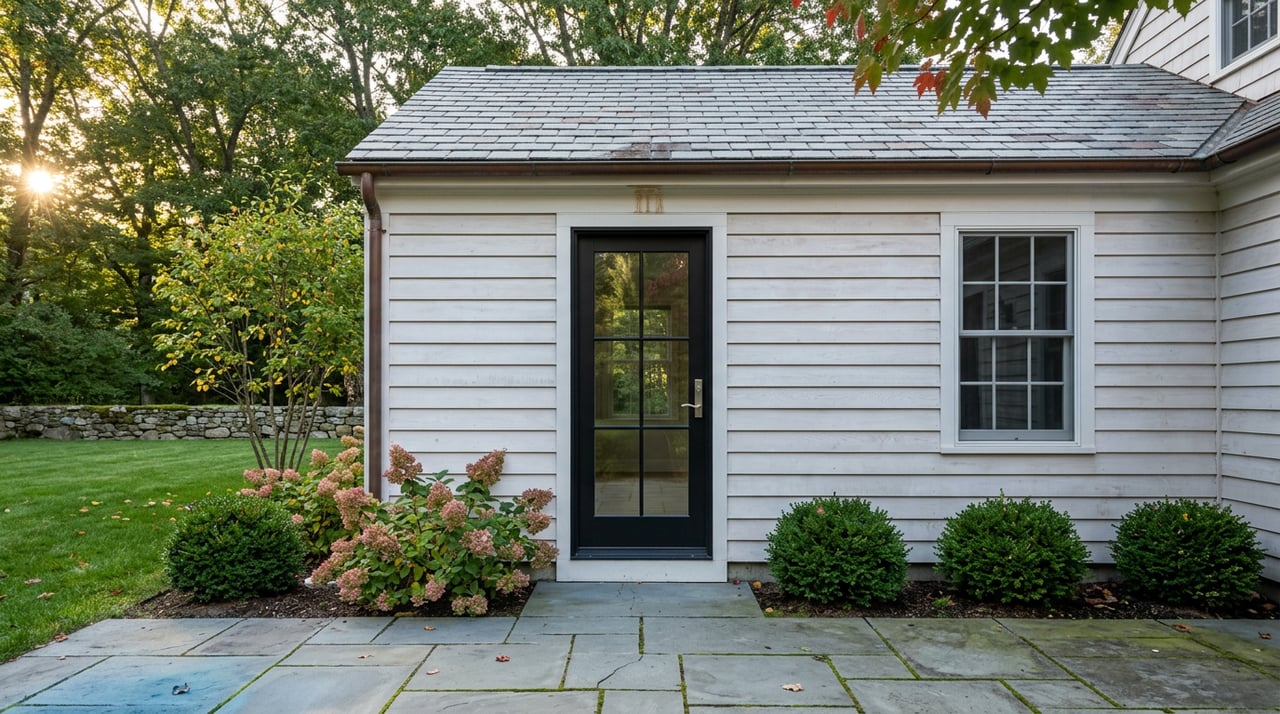
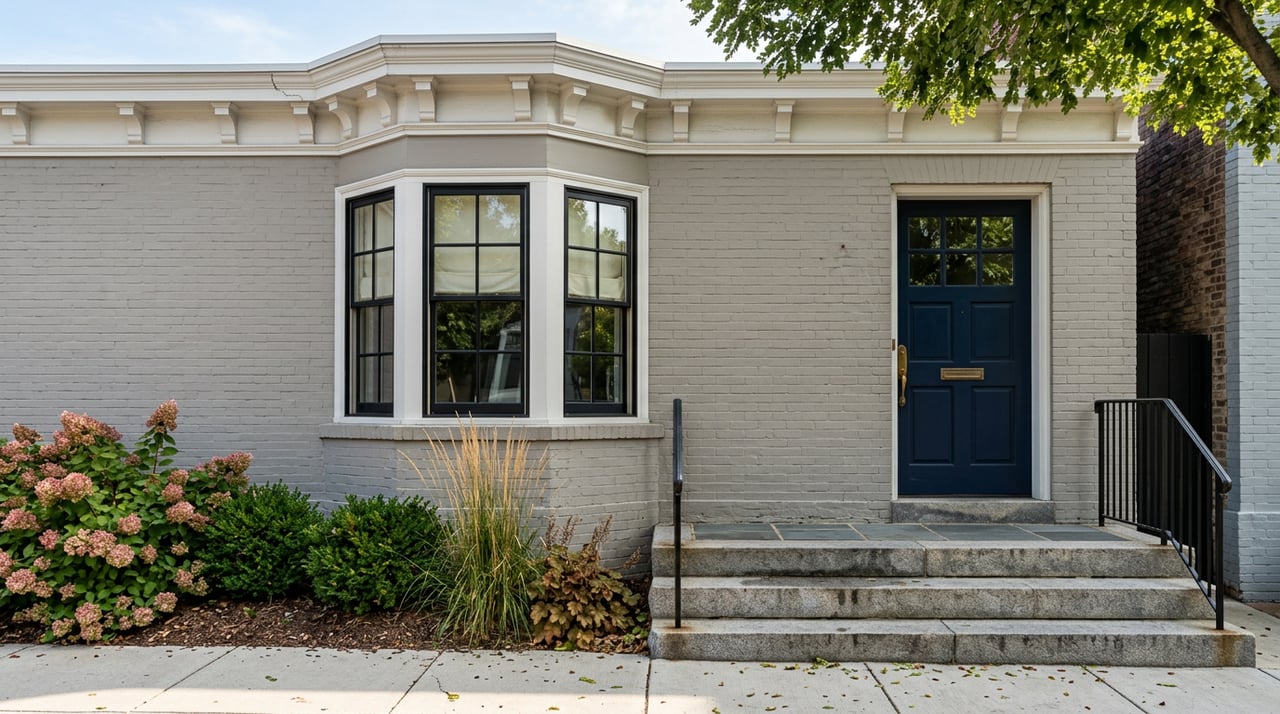
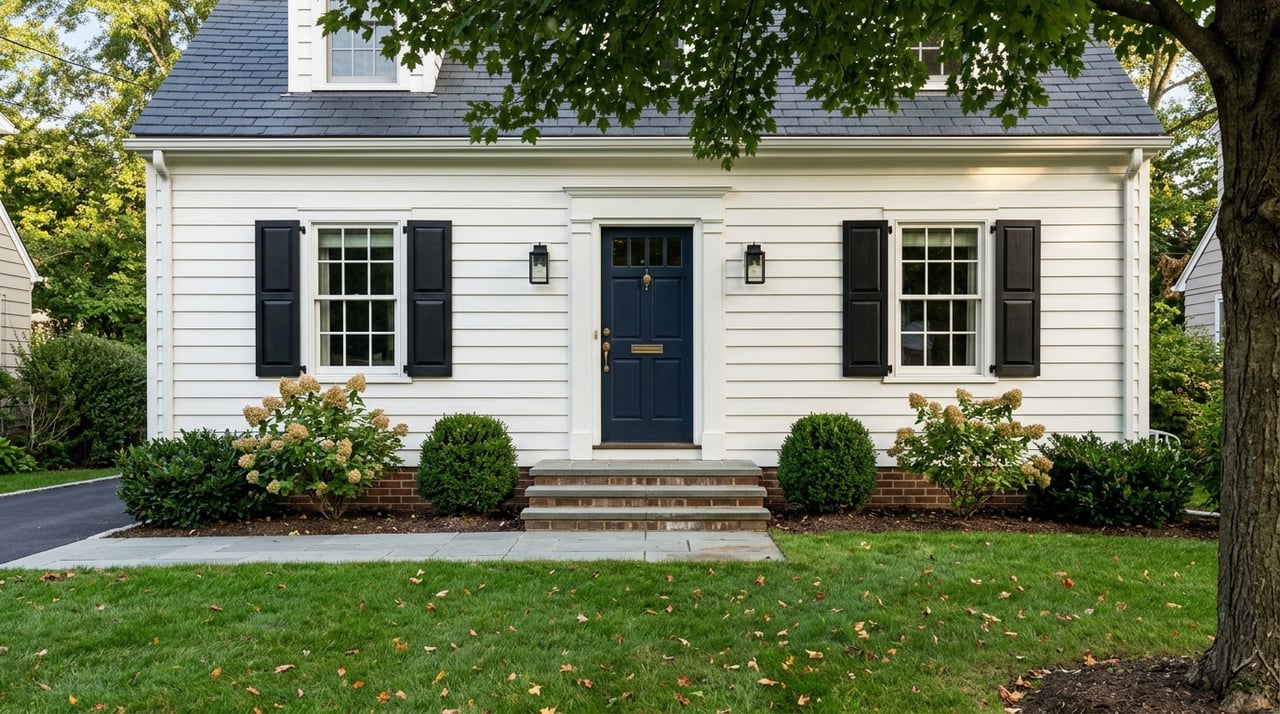
NAR notes that cosmetic updates are optional, but sellers may want to consider paint, landscaping, and the front entrance because these changes can improve photos and curb appeal. In a fast-moving market like Winchester, those high-visibility upgrades can make a stronger difference than a long renovation project.
A practical pre-listing refresh often includes:
- Touch-up or neutral paint where needed
- Deep cleaning throughout the home
- Basic landscaping and yard clean-up
- Cleaner or brighter lighting
- Minor hardware or fixture updates
- Front door and entry touch-ups
If you know a larger repair is looming, NAR advises estimating the cost even if you do not plan to fix it before listing. That gives you a clearer pricing and negotiation strategy before buyers raise the issue.
Consider a pre-sale inspection
A pre-sale inspection is not required, but it can help you avoid surprises later. NAR says it may reveal concerns involving the structure, roof, plumbing, electrical, HVAC, ventilation and insulation, fireplaces, and health-related issues such as mold, radon, lead paint, and asbestos.
For a long-time owner, that information can be useful even if you want a more hands-off sale. You can decide early whether it makes more sense to repair something, offer a credit, or simply price the home with that condition in mind.
That kind of clarity can reduce last-minute stress once you are under agreement. It can also help your agent and attorney guide you through the next steps more efficiently.
Staging helps buyers see the future
Staging is not about making your home look generic. It is about helping buyers understand the space, flow, and scale of each room. NAR defines staging as cleaning a home and temporarily furnishing it in a way that helps buyers imagine living there.
The payoff can be meaningful. In NAR’s 2025 staging report, 83% of buyers’ agents said staging made it easier for buyers to visualize the property as a future home, 29% said staged homes saw a 1% to 10% increase in dollar value offered, and 49% of sellers’ agents said staging reduced time on market.
If your budget or energy is limited, focus on the rooms buyers notice most. NAR says the most commonly staged rooms are the living room, primary bedroom, dining room, and kitchen.
Best rooms to prioritize
- Living room
- Primary bedroom
- Dining room
- Kitchen
In a home with many years of personal style and furnishings, targeted staging can bridge the gap between your history in the house and a buyer’s vision for what comes next.
Price for the market you have
When homes are selling quickly, it may be tempting to aim high and see what happens. But Winchester’s market data suggest that a sharp, well-supported list price paired with strong presentation is often the better strategy.
Redfin’s local numbers show a very competitive market, multiple offers on average, and a sale-to-list ratio above 100%. Those signals suggest that buyers are active, but they are still responding to homes that feel well launched from day one.
Overpricing can create a different problem. It may reduce urgency, weaken early traffic, and make buyers wonder whether they should wait. For many long-time owners, the goal is not just to sell. It is to protect net proceeds while keeping the process smooth and timely.
Plan for paperwork early
Massachusetts has a different disclosure landscape than many states. According to Massachusetts seller agency guidance, residential sellers who are not in the business of selling homes generally do not have a broad affirmative disclosure requirement except for lead paint.
That makes one issue especially important for older homes. Under Massachusetts property transfer lead paint notification requirements, owners and agents must comply when a buyer is purchasing a home built before 1978.
This matters in Winchester because much of the housing stock is older. The local housing profile cited in the state guidance shows that 41% of units were built before 1939, another 24% from 1940 to 1959, and 17% from 1960 to 1979.
If your home falls into that range, it is smart to gather lead-related paperwork early. Handling that upfront can help you avoid delays once an offer is in hand.
Build a lower-stress selling plan
The typical home seller has lived in the home for 10 years before selling, according to NAR’s staging report. If you have been in your Winchester home far longer than that, it makes sense to treat this as both a sale and a transition.
A lower-stress plan often includes:
- A realistic timeline for sorting and packing
- Help from family, trusted friends, or professionals
- A decluttering strategy that starts with easier rooms
- Simple cosmetic improvements where they matter most
- Pre-listing guidance on repairs and paperwork
- Staging and photography timed to support a strong launch
This kind of process is especially helpful if you are balancing work, family responsibilities, or a move to a new chapter. You do not have to do everything alone, and you do not have to do it all at once.
Selling a long-time family home in Winchester calls for both empathy and precision. In a market where homes can move quickly, the strongest results often come from thoughtful preparation, clear pricing, and a calm plan that respects both the property and the memories inside it. If you want a high-touch, data-informed strategy for your next move, the Marjie and Phil Team can help you prepare, present, and launch your home with confidence.
FAQs
What makes selling a long-time family home in Winchester different?
- A long-time family home often involves more decluttering, more emotional decisions, and more planning around older-home paperwork and condition before listing.
How fast are homes selling in Winchester, MA?
- According to Redfin’s February 2026 Winchester market data, homes sold in a median of 21 days.
Should you stage an older home before selling in Winchester?
- Staging can help buyers visualize the home more easily, and NAR reports that it can reduce time on market and may improve the dollar value offered.
Do Massachusetts home sellers need a standard disclosure form?
- Massachusetts generally does not require a broad standardized seller disclosure form for ordinary residential sellers who are not in the business of selling homes, except for lead paint requirements.
Why is lead paint a key issue for older Winchester homes?
- If a home was built before 1978, Massachusetts and federal lead paint notification requirements apply, and many Winchester homes are old enough for that to be relevant.
What updates should you make before listing a Winchester home?
- The most practical pre-listing steps often include decluttering, deep cleaning, improving curb appeal, and making light cosmetic updates such as paint or entry touch-ups.