Dreaming of weekends by the water without giving up easy access to Boston? You are not alone. Falmouth offers village charm, beaches, and year-round services that make second-home life feel practical, not just aspirational. In this guide, you will learn what life looks like across the seasons, what kinds of homes you will find, how to budget for ownership, and the key checks to make before you buy. Let’s dive in.
Why Falmouth works for a second home
Falmouth is one of Cape Cod’s larger towns with a year-round population of 32,517 at the 2020 census. That scale helps keep services, shops, and essentials running in every season. You will find several distinct villages, from walkable Falmouth Village to ferry-connected Woods Hole and beach-adjacent Falmouth Heights.
Lifestyle access stands out. The seaside Shining Sea Bikeway runs about 10.7 miles from North Falmouth to Woods Hole, great for morning rides to the harbor. From Woods Hole, ferries to Martha’s Vineyard run year-round, which makes island day trips refreshingly simple.
What life feels like across seasons
Summer is high energy. Beaches, restaurants, and events peak, including the Falmouth Road Race and Woods Hole Film Festival. Expect fuller parking and strong demand for short-term rentals.
Shoulder seasons in late spring and early fall feel relaxed. Many owners say September is their favorite month for warm water and lighter crowds. Weekday visits are ideal for testing commute times and getting service appointments.
Winter is quiet. Some tourism-forward businesses shorten hours, but core town services remain available. If you plan to use your home part-time in colder months, budget for winterization and occasional off-season contractor timing.
Neighborhoods and property types
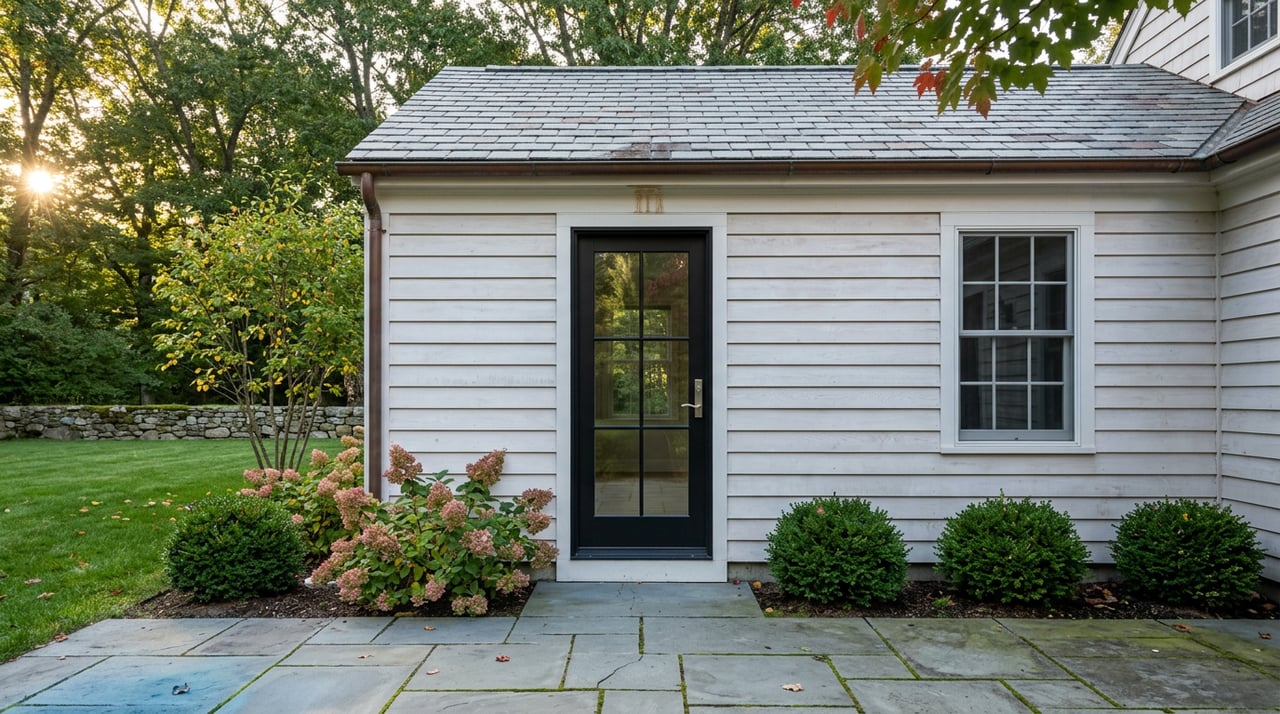
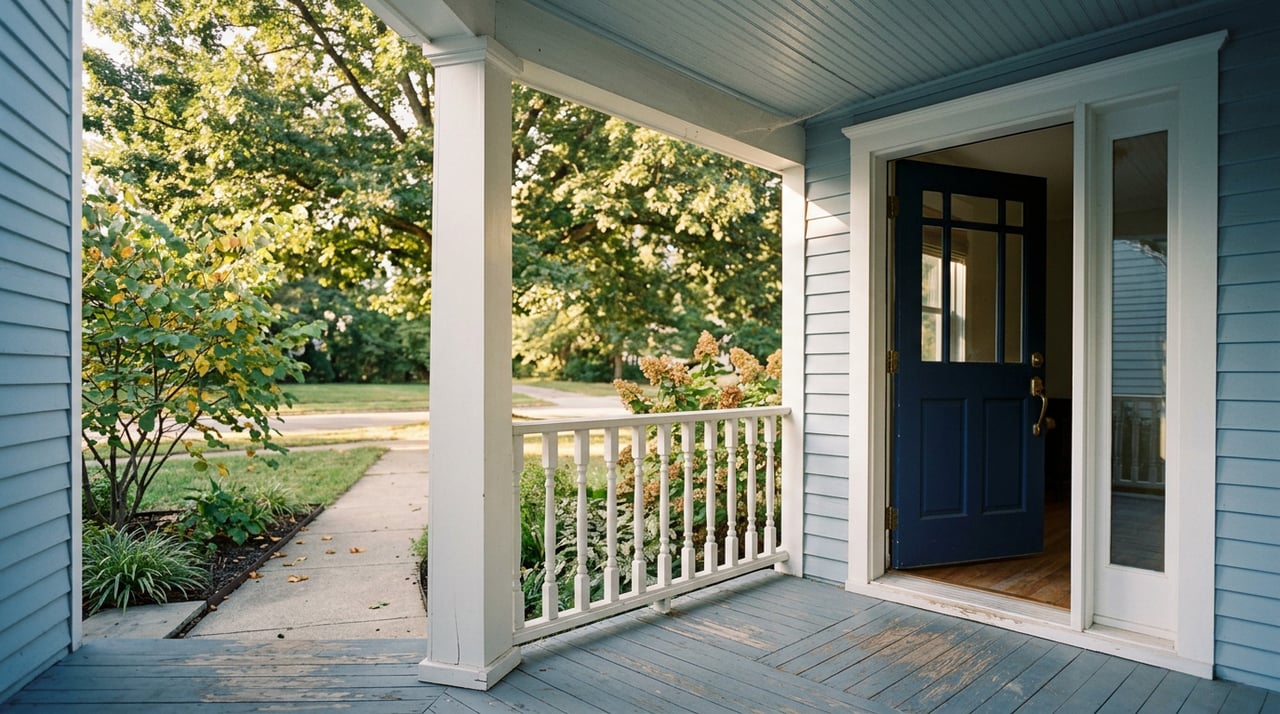
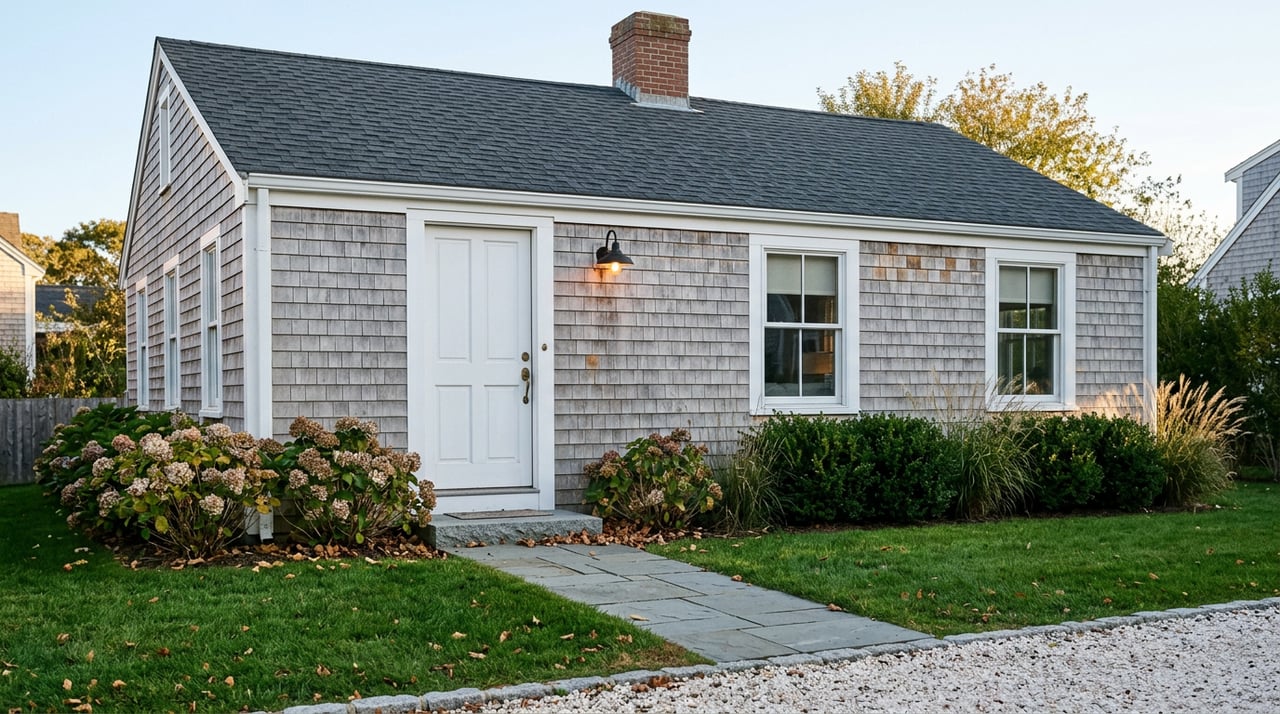
You will see classic Cape cottages, shingle-style beach houses, colonials, and modernized seasonal homes. Single-family properties dominate, with some condos and duplex pockets. Architectural variety is real, so do not expect a single “Cape style” to define the market.
- Woods Hole: compact harbor village near science institutions and the ferry terminal. Walkability near the docks is a draw.
- Falmouth Village/Main Street: dining and shops with a small-town center vibe.
- Falmouth Heights/Surf Drive: quick access to beaches and harbor views. Higher summer activity.
- North Falmouth/Old Silver area: wider sandy shoreline on Buzzards Bay and popular summer beach days like Old Silver Beach.
What homes cost right now
Recent third-party provider snapshots placed Falmouth’s median sale prices roughly in the mid 600s to high 700s, depending on month and methodology. Different data sources use different inputs, so treat online medians as helpful context, not the final answer. Inventory and days on market are seasonal, with more new listings in spring. For pricing on specific villages and property types, verify with current MLS data through a local agent.
Budgeting the carry: taxes, rentals, services
Falmouth’s FY2026 residential property tax rate is $5.73 per $1,000 of assessed value. You can estimate a sample bill by multiplying the assessed value (in thousands) by 5.73. For example, at $600,000 the tax is about $3,438; at $750,000 it is about $4,298; at $1,000,000 it is about $5,730. You can confirm the rate on the town’s assessing and tax page.
If you plan to rent your home, budget for state and local room-occupancy excise and possible registration or licensing. Falmouth is actively reviewing short-term rental policies, including registration and impact fees for certain operator types. Rules can change, so check the town’s Short-Term Rentals Review page before you market a home for rent.
For reliable remote work, internet options vary by address. Verify provider and speeds before you buy using an address-level check such as this provider availability resource. Plan for winter servicing and utilities as well. Confirm heating fuel type, smart thermostats, and any winter shutdown practices for plumbing and irrigation.
Healthcare access matters for many buyers. Falmouth has a community hospital and connectivity to the Cape’s broader network. You can review a profile of Falmouth Hospital through the state’s healthcare data resource.
Risk checks for coastal homes
Flood exposure is a central due diligence item. Many waterfront or low-lying parcels fall within special flood hazard areas where lenders require flood insurance. Review FEMA Flood Insurance Rate Maps, request an elevation certificate if available, and price flood insurance before you commit. You can see regional mapping context in Barnstable County’s flood study materials.
Wastewater planning is another key factor. Only about 11% of developed properties in Falmouth are connected to the municipal sewer. Most homes rely on onsite septic, and the town is advancing multi-year wastewater projects to manage nitrogen. Ask whether a property is on sewer or septic, request pump and Title 5 records, and check if the lot sits in a future sewer phase by reviewing the town’s Open Space and Recreation Plan.
A simple second-home search plan
Use this step-by-step approach to get oriented and avoid surprises:
- Visit in two seasons. Try a late-summer weekend and a spring or fall weekday to gauge crowds, parking, and service levels.
- Zero in on villages that fit your lifestyle. Compare walkable Falmouth Village to ferry-accessible Woods Hole or beach-adjacent Falmouth Heights.
- Verify sewer vs. septic early. Request septic pump records, Title 5 status, and any Board of Health notices. If the home is near the shore, ask about planned sewer phases.
- Check flood exposure. Confirm FEMA zone, request an elevation certificate if one exists, and get flood insurance quotes before making an offer.
- Clarify rental intentions. If you plan to rent, confirm current registration, tax rates, and any inspection or licensing steps with the town.
- Confirm connectivity. Validate internet provider and speeds by exact address and plan a backup like a hotspot if remote work is essential.
- Map the drive. Boston is roughly 70 to 80 miles depending on your start point. Allow 1.5 to 2 hours, factoring in seasonal traffic.
Living the Falmouth lifestyle
When you are not on the beach, hop on the bikeway to Woods Hole for coffee, explore Main Street shops, or enjoy sunset views along Surf Drive. In summer, book restaurants ahead and line up service pros early. In the off-season, you will find a quieter pace with easier parking and open trails.
Your next step
Thinking about a Falmouth second home starts with clear goals, honest budgeting, and the right local guidance. If you want help pressure-testing a target budget, outlining due diligence, or understanding how a Cape second home fits into your Greater Boston plan, we are here to help. Reach out to the Marjie and Phil Team for a friendly consult and a smarter path forward.
FAQs
What makes Falmouth practical for a second home on Cape Cod?
- It combines village amenities, year-round services, and direct ferry access to Martha’s Vineyard, plus recreation like the Shining Sea Bikeway, which supports regular visits, not just peak-summer stays.
How much are property taxes in Falmouth, and how do I estimate them?
- The FY2026 residential rate is $5.73 per $1,000 of assessed value. Multiply the assessed value in thousands by 5.73. For example, $750,000 is about $4,298 per year.
Are most homes on sewer or septic in Falmouth?
- Only about 11% of developed properties are on town sewer, so most rely on onsite septic. Confirm system type, request records, and check if the lot is targeted for future sewer expansion.
How do I check flood risk and insurance requirements before I buy?
- Look up the property’s FEMA flood zone, request an elevation certificate if available, and get flood insurance quotes before you offer. Lenders usually require flood coverage in special flood hazard areas.
Can I rent out my Falmouth second home short-term?
- Yes, but you must follow state and town rules, including room-occupancy taxes and possible registration or licensing. Policies are evolving, so confirm current requirements with the town before listing.