If you have been thinking about buying a small multifamily in Cambridge or nearby suburbs, you are probably balancing two goals at once: finding a place that works for your life now and making a smart long-term investment. In this part of Greater Boston, that balance can be tricky because pricing, rent potential, and building style vary a lot from one town to the next. The good news is that once you understand how Cambridge, Somerville, Medford, and Arlington differ, your search gets much clearer. Let’s dive in.
Why small multifamily appeals here
A two- to four-unit property can give you options that a single-family or condo often cannot. You may choose to live in one unit and collect rent from the others, or you may buy with a longer hold strategy in mind if the building already has stable tenants.
That owner-occupant path is especially relevant because Fannie Mae guidelines allow rental income on a two- to four-unit principal residence when you occupy one unit. In simple terms, that is the financing framework many buyers think of as house hacking. In a high-cost market like this one, that can be a practical way to offset monthly expenses.
Cambridge: premium pricing and strong demand
Cambridge is the most expensive market in this group based on the current snapshot. There are 33 active multifamily listings, with a median listing price of $2.36 million, and visible examples clustering around roughly $1.6 million to $3.4 million.
Properties also tend to move with reasonable speed. Redfin reports that homes in Cambridge typically sit for 26 days and receive 2 offers, which points to steady buyer demand in a supply-constrained market.
On the rental side, Zillow shows an average rent of $3,774, with a two-bedroom average of $3,800. There are also 2,266 current rentals in the market, which suggests strong rental depth and helps support tenant placement and rent underwriting.
For many buyers, Cambridge is less about immediate cash flow and more about location, demand, and long-term upside. Based on the current price and rent snapshot, it often fits best for buyers who value owner-occupancy, premium transit-oriented locations, and appreciation potential.
What the housing stock looks like in Cambridge
Cambridge has a large share of older buildings. Housing MA estimates that 55.3% of housing stock is pre-1939, and 33.06% of housing units are in two- to four-unit buildings.
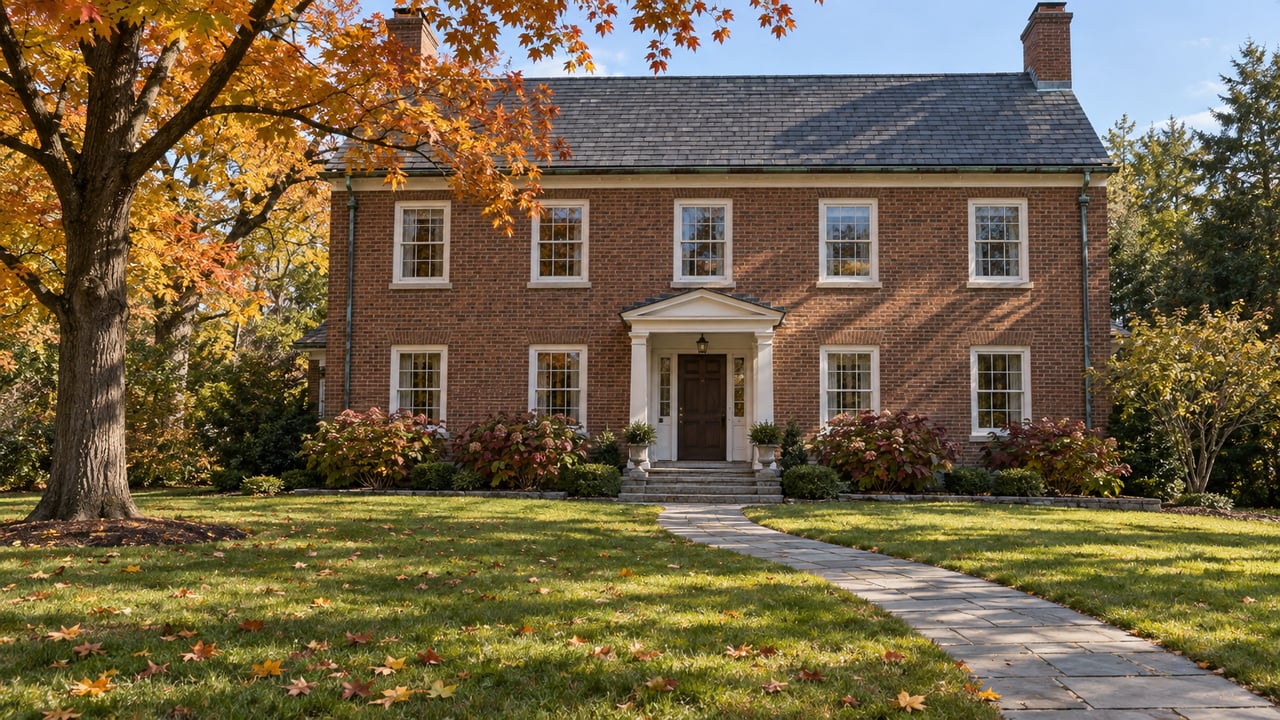
That older stock shapes what you will actually tour. Current examples include a Riverside two-family with a larger upper residence across multiple floors, a Philadelphia-style two-family near Porter Square, and a three-unit near Kendall Square.
For an owner-occupant, these layouts can be especially appealing. A larger upper unit may offer more privacy and living space, while the smaller unit or units help generate rental income.
Somerville: dense inventory and classic 2-4 unit stock
Somerville stands out as one of the strongest small multifamily markets in the area. It currently has 57 active multifamily listings, a median listing price of $1.55 million, and visible examples clustering around roughly $1.2 million to $1.55 million, with some higher-priced outliers.
It is also a fast-moving market. Redfin reports that homes typically sit 22 days and receive 4 offers, which is a sign of active competition.
The rental story is also strong. Zillow shows an average rent of $3,750 and a two-bedroom average of $3,500, with 2,292 current rentals. That level of rental inventory gives buyers more data points when evaluating likely rent ranges.
Why Somerville works for owner-occupants
Among these four communities, Somerville has the highest share of housing units in two- to four-unit buildings. Housing MA estimates that 60.66% of housing units fall into that category, making it the clear standout for classic small multifamily stock.
It is also an older-stock market, with 65.85% of housing built before 1939. Current listings often reflect that character, including Victorian two-families with upper duplexes, plus features like driveways, yards, porches, and decks.
That mix can work well if you want a home base plus rental income. In many cases, the upper duplex or larger owner’s unit feels more like a traditional home, while the additional unit helps support the monthly payment.
Medford: practical entry point for many buyers
If Cambridge feels priced too high and Somerville still feels very competitive, Medford may offer a more practical starting point. The current snapshot shows 27 active multifamily listings, a median listing price of $1.18 million, and visible examples clustering around roughly $900,000 to $1.3 million, with larger outliers.
Even with the lower pricing, demand is still strong. Redfin reports that homes in Medford typically sit 22 days and receive 8 offers, the highest offer count in this group.
Zillow shows an average rent of $3,600 and a two-bedroom average of $2,995. Rental inventory is smaller than Cambridge or Somerville at 637 current rentals, but the pricing picture often makes the numbers easier to analyze for first-time owner-occupant investors.
What makes Medford attractive
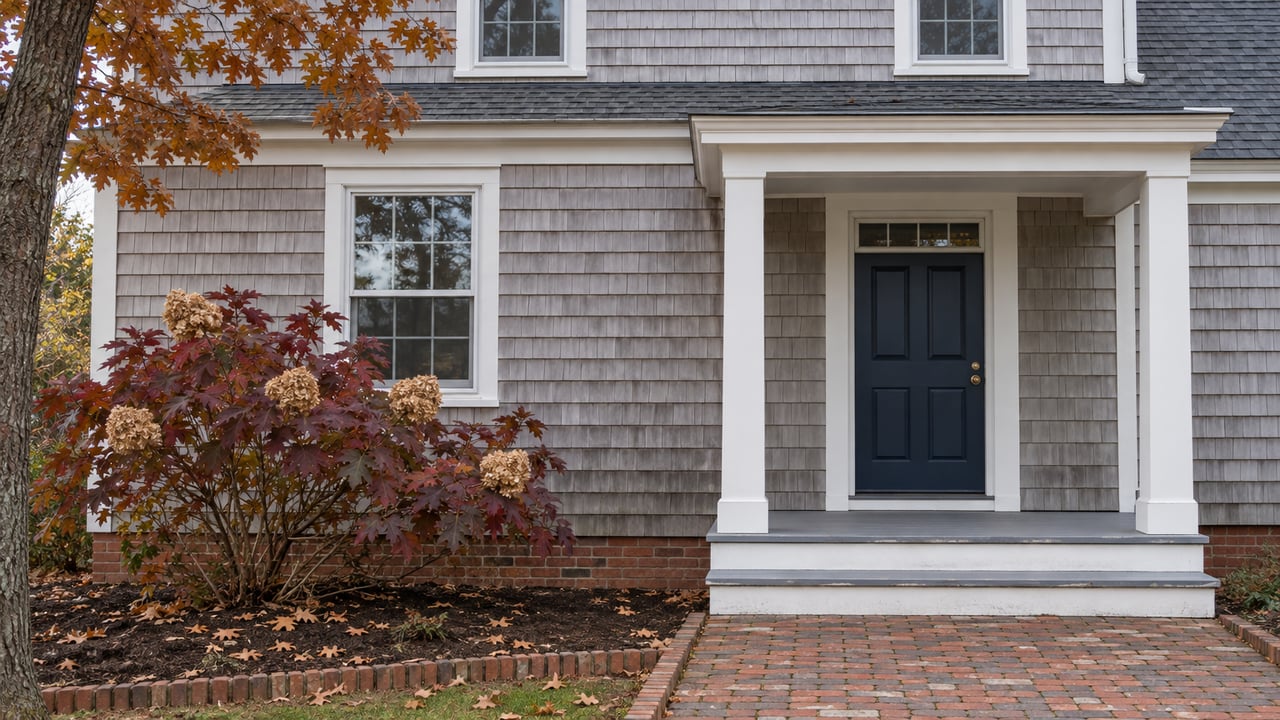
The local building pattern is often straightforward and functional. Current examples commonly feature a lower unit plus a duplex upper unit, separate utilities, basement space, off-street parking, and commuter access.
Housing MA estimates that 32.22% of Medford housing is in two- to four-unit buildings. In practical terms, that means you can still find the kind of small multifamily product many buyers want, but usually at a more approachable price point than Cambridge or prime Somerville.
The market snapshot also notes that Medford benefits from the Green Line Extension and an urban-suburban demand base. For buyers who want a first multifamily that can serve both lifestyle and investment goals, Medford often deserves a close look.
Arlington: limited inventory and selective opportunities
Arlington tends to be a thinner multifamily market. Redfin shows only a handful of active multifamily listings, with a median listing price of $1.3 million and visible examples clustering around roughly $1.2 million to $1.55 million.
Listings also move quickly, with a typical 16 days on market, though Redfin reports an average of 1 offer. Because inventory is so limited, buyers may need to be patient and ready to act when the right property appears.
Zillow shows an average rent of $2,750, and rental inventory is much smaller here at 184 current rentals. That makes rent underwriting a bit less liquid than in Cambridge or Somerville because there are simply fewer active examples.
What to expect from Arlington stock
Arlington has about 30% of housing in two- to four-unit buildings, and the town’s housing report notes that 52% of units are pre-1939. Many current examples are duplex-style buildings with nearly identical first- and second-floor layouts, garage or tandem parking, and occasional third-floor in-law space.
Arlington’s municipal analysis also notes that older multifamily ownership units are often smaller and less amenity-rich than newer product, while historic conversions can be larger and more expensive. That means Arlington can be a smart option, but the right deal often depends on careful property-by-property analysis.
How to compare these four markets
If you want a quick way to frame the search, each market tends to play a different role.
| Market | Current positioning |
|---|---|
| Cambridge | Premium, transit-first market with high pricing and strong rental depth |
| Somerville | Strong 2-4 unit inventory, classic older housing stock, active competition |
| Medford | More practical entry point for many owner-occupant investors |
| Arlington | Thin inventory, selective opportunities, neighborhood-driven appeal |
This is why your strategy matters so much. The same buyer may look at Cambridge for long-term location value, Somerville for classic house-hack layouts, Medford for a more workable entry point, and Arlington for a rare but appealing local opportunity.
Hold strategy vs house-hack strategy
Not every small multifamily should be judged the same way. Some buildings make more sense as owner-occupied properties, while others fit a longer-term hold strategy better.
A house-hack strategy usually works best when one unit feels comfortable enough for your own use and the additional unit or units can help offset your payment. In Cambridge and Somerville, this can be especially attractive because the layouts often include a larger or more private upper unit.
A hold strategy tends to look stronger when the building already has stable tenants, clean utility separation, parking, and enough rent-to-price spread to absorb vacancies and repairs. Based on the current market snapshot, that spread is generally easier to explain in Medford or Arlington than in Cambridge, while Cambridge and prime Somerville often lean more toward appreciation and owner-occupancy support than immediate cash flow.
Due diligence matters more in older stock
Across all four communities, age of housing stock should be part of your planning from day one. Older multifamily buildings are common here, and that means maintenance and systems review should never be treated as an afterthought.
A practical checklist often includes:
- Lead or deleading status
- Roof age
- Boiler age
- Electrical updates
- Separate utilities
- Parking setup
- Basement condition
- Lease timing
This is not just a paperwork exercise. Current listings in Somerville and Arlington explicitly mention full deleading or lead-safe compliance, while Cambridge examples include buildings dating to the 1880s and 1890s. That is a reminder that older-stock upkeep is normal in this market.
How to choose the right town for you
If you want the deepest rental market and are comfortable with premium pricing, Cambridge and Somerville deserve serious attention. If you are aiming for a first owner-occupant investment and want a more manageable purchase price, Medford may be the most practical place to begin.
If you already know Arlington well and want to stay local, it can still be a compelling market, but you may need more patience because inventory is limited. In every case, the right answer depends on your budget, your financing approach, your comfort with older buildings, and whether your main goal is monthly support, long-term appreciation, or both.
Small multifamily investing in this part of Massachusetts is rarely one-size-fits-all. The buyers who do best are usually the ones who match the property type and town to a clear plan from the start.
If you are weighing Cambridge, Somerville, Medford, or Arlington, the best next step is to compare real opportunities through a local lens. The Marjie and Phil Team can help you evaluate neighborhood-level pricing, property layouts, and what makes sense for your goals.
FAQs
What is a small multifamily property in Cambridge-area real estate?
- In this context, a small multifamily usually means a two- to four-unit residential property, often purchased by an investor or an owner-occupant who lives in one unit and rents the others.
Which town near Cambridge is most practical for first-time multifamily buyers?
- Based on the current price snapshot, Medford is often the most practical entry point because its median listing price is lower than Cambridge, Somerville, and Arlington.
Is Somerville a strong market for 2-4 unit properties?
- Yes. Housing MA estimates that 60.66% of Somerville housing units are in two- to four-unit buildings, which makes it the strongest 2-4 unit market in this group.
Why do Cambridge multifamily properties cost more?
- Cambridge has the highest median listing price in this group at $2.36 million, along with strong rental depth and a supply-constrained market, which supports premium pricing.
What should you check before buying an older multifamily in Arlington or nearby suburbs?
- A strong due diligence review should include lead status, roof and boiler age, electrical updates, separate utilities, parking, basement condition, and lease timing.