If your workday starts in Downtown Boston, where you live can shape everything from your morning routine to how much of the city you actually enjoy. Malden stands out because it gives you a realistic rail commute, everyday convenience, and a housing mix that can fit several life stages. If you are weighing whether Malden makes sense for your next move, this guide will walk you through commute times, neighborhood feel, housing options, and the tradeoffs to expect. Let’s dive in.
Why Malden Works for Boston Commuters
Malden is an inner-ring city just north of Boston, and that location is a big part of its appeal. According to the city’s housing assessment, Malden is less than 6 miles from Boston, which helps explain why it has such a strong commuter identity.
The city’s transit planning materials show that public transportation is not a side feature here. About 28% of residents commute by public transit, 94% live within a quarter mile of a bus stop, and existing transit services offer direct rides to 16 communities. For you, that can mean more flexibility and less dependence on a car for every trip.
Commute Options From Malden
For many Downtown Boston commuters, the biggest draw is the MBTA Orange Line. Malden Center offers direct subway access, and the city’s March 2023 Transit Action Plan lists the trip from Malden Center to Downtown Crossing at about 18 minutes.
Peak service is another plus. The same plan reported Orange Line trains every 7 to 9 minutes during peak times and every 10 to 14 minutes off-peak, with service running from 5:15 AM to 12:30 AM Monday through Saturday and 6:00 AM to 12:30 AM on Sunday.
Malden also gives you a second rail option at Malden Center. The Haverhill Line commuter rail reaches Boston in about 14 minutes, which can make North Station a practical destination if your office is on that side of downtown or if you want another option on a given day.
Oak Grove is also worth knowing if you want another Orange Line access point. The city notes that Oak Grove is the northern terminus of the line and has bus stops at both entrances, which can help if your daily routine lines up better with that part of Malden.
The Real-Life Tradeoffs
No commuter city is perfect, and Malden is no exception. City transit strategy materials flagged bus on-time performance and the Orange Line’s earlier nightly cutoff as pain points.
That means Malden’s transit story is strong, but you should still expect the usual Greater Boston reliability tradeoffs. If your job requires very late nights, frequent off-hours travel, or a rigid transfer schedule, it is smart to think through your backup plan before you choose a location.
If you drive part of the way, Malden can still be workable. The city offers monthly parking options downtown, but it also notes that streets around MBTA stations require resident parking stickers and are not intended for commuter parking.
Best Areas for a Commuter Lifestyle
Malden Center for the shortest trip
If your top goal is getting to Downtown Boston quickly, Malden Center is the clearest starting point. It combines Orange Line access, commuter rail service, downtown parking options, and one of the city’s strongest mixes of dining and entertainment.
This area also gives you more than just a station stop. The city describes Malden Center as a commuting hub, and the downtown area includes everyday destinations like the Malden Public Library at 36 Salem Street, which adds a practical civic anchor to daily life.
The city is also studying adjacent station-area development to support economic development, housing opportunities, and station repairs. That signals continued attention to the core commuter district rather than a neighborhood that is standing still.
Maplewood for a smaller-scale feel
If you want transit access without being in the center of the busiest rail hub, Maplewood Square deserves a look. The city says the area has many shops and restaurants, numerous public buses connecting it to the Orange Line, and access to the Northern Strand Bike Trail.
For some buyers, that mix can feel like a good middle ground. You still get practical links to transit, but the day-to-day setting may feel a bit more neighborhood-scaled than the blocks closest to Malden Center.
Salem Street for daily convenience
Salem Street is one of Malden’s major east-west corridors, and it shows how commuter convenience can overlap with everyday errands and services. The city’s improvement project for the corridor includes pedestrian, bus, and intersection upgrades between Main Street and Broadway.
The same city notice identifies a wide range of uses along Salem Street, including the public library, fire department, high school, Salemwood School, Mystic Valley Regional Charter School, the Davenport Memorial Home, residences, and businesses. For you, that may translate into a more service-rich streetscape where daily tasks can be easier to bundle into your routine.
Getting Around Beyond the Train
A good commuter location is not only about the ride into Boston. It is also about how easy life feels once you are home.
Malden has several non-car options that support short trips and local errands. The city says Bluebikes operates in Malden as part of a Greater Boston network with more than 4,000 bikes and more than 400 stations.
The Northern Strand Community Trail is another meaningful asset. According to the city, it is a 9-mile trail that runs through Malden, is used year-round, and is included in winter maintenance planning.
You also have access to outdoor space that can make weekday life feel more balanced. The city reports roughly 30 park sites, plus Pine Banks Park and access to the Middlesex Fells Reservation.
Malden’s amenity base is also continuing to evolve. The city says Malden River Works will convert the DPW yard on the Malden River into a climate-resilient public riverfront park and add an elevated greenway path, which points to future quality-of-life improvements rather than a fixed set of amenities.
What Homes in Malden Look Like
If you are moving from Boston or Cambridge, one of the biggest questions is often what kind of home you can realistically find. Malden’s housing stock is mixed, which can be useful if your needs are changing.
The city’s 2019 Housing Needs Assessment says 28% of housing units are single-family, 26% are two-family, 31% are in buildings with more than 20 units, and 15% are in buildings with 3 to 9 units. That tells you Malden is not a one-format market.
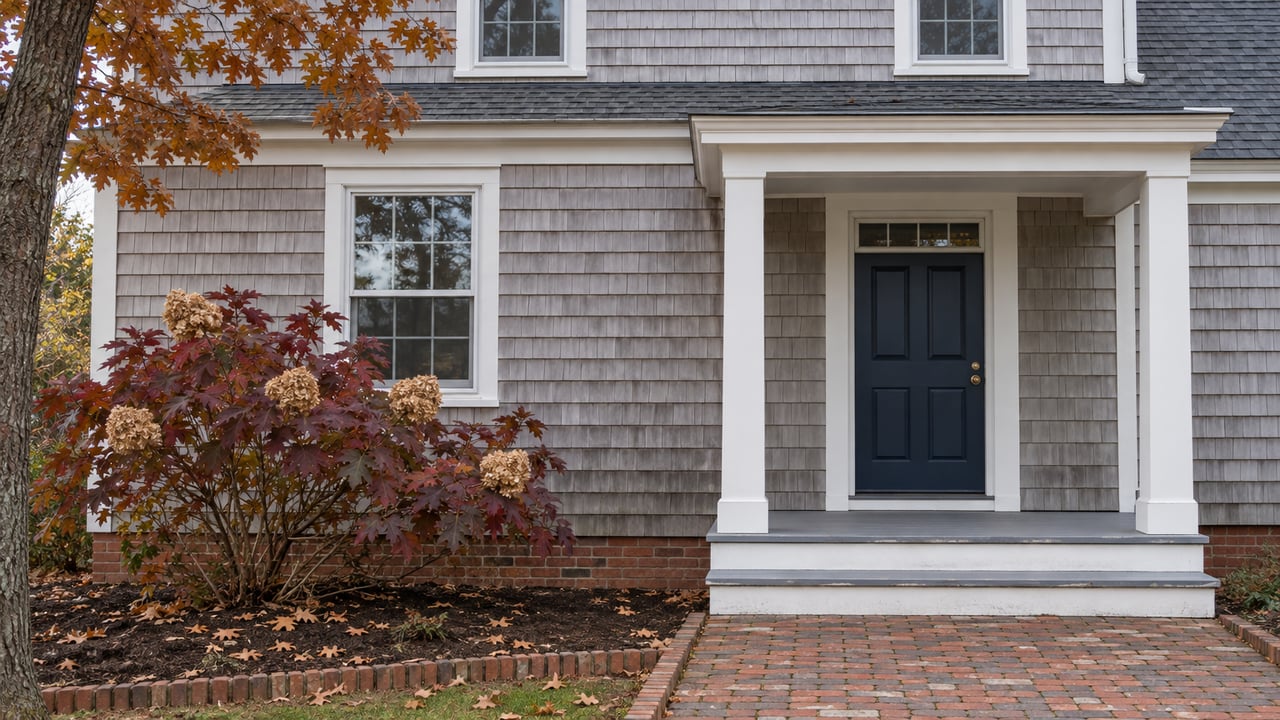
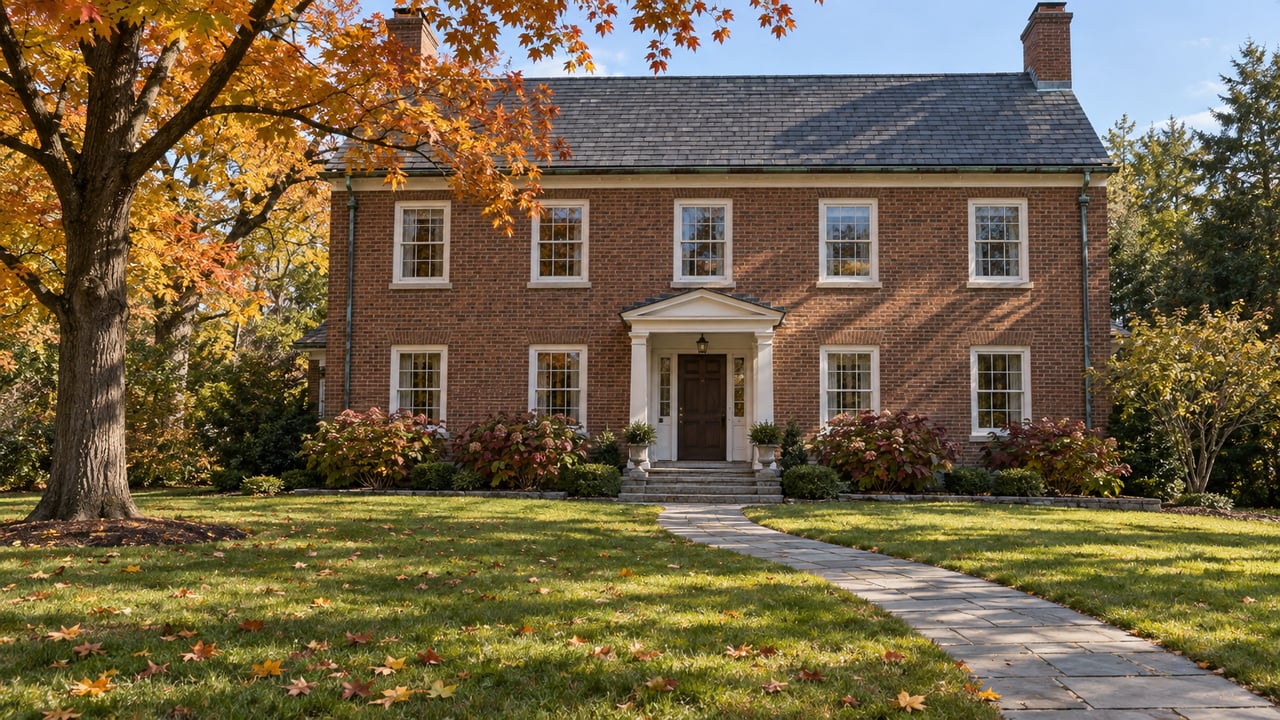
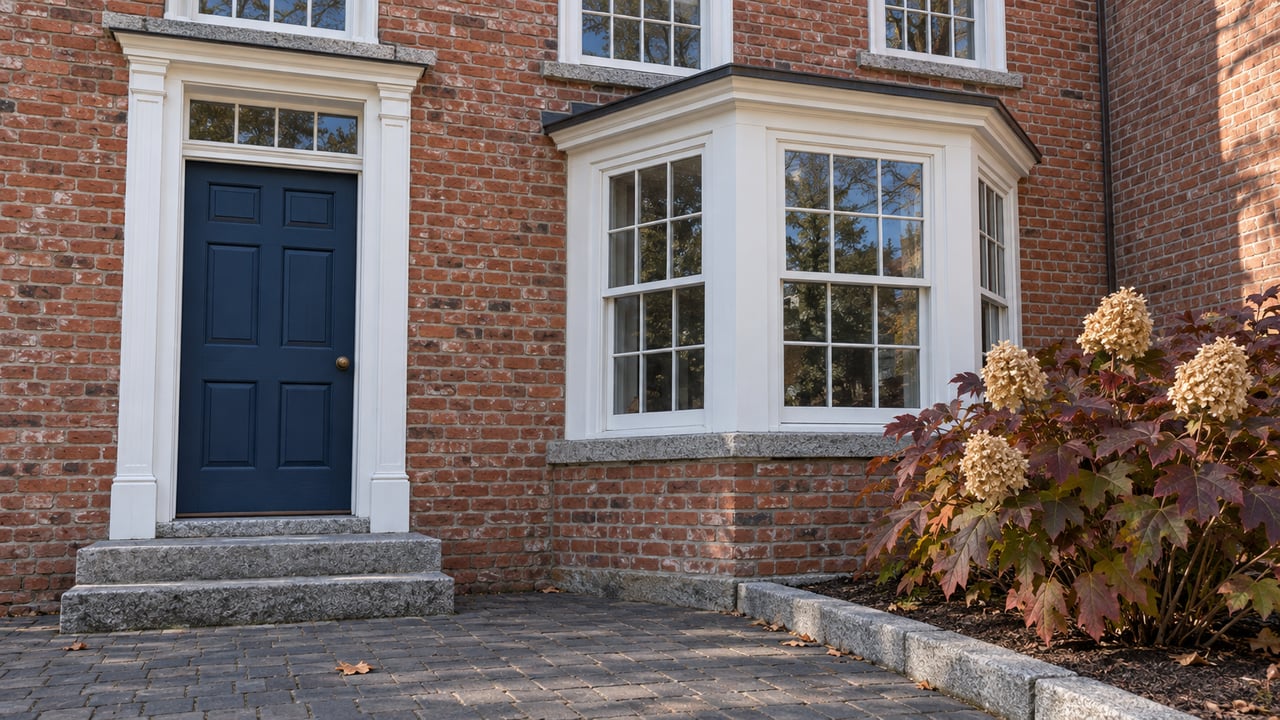
It also says more than half of Malden’s housing was built before 1940. In practical terms, that often means you will see older housing stock and a more established streetscape in many parts of the city.
There is also a clear location pattern to keep in mind. The same assessment says much of Malden’s newer housing has been built around Malden Center and at the former Rowe’s Quarry area on the Malden-Revere border.
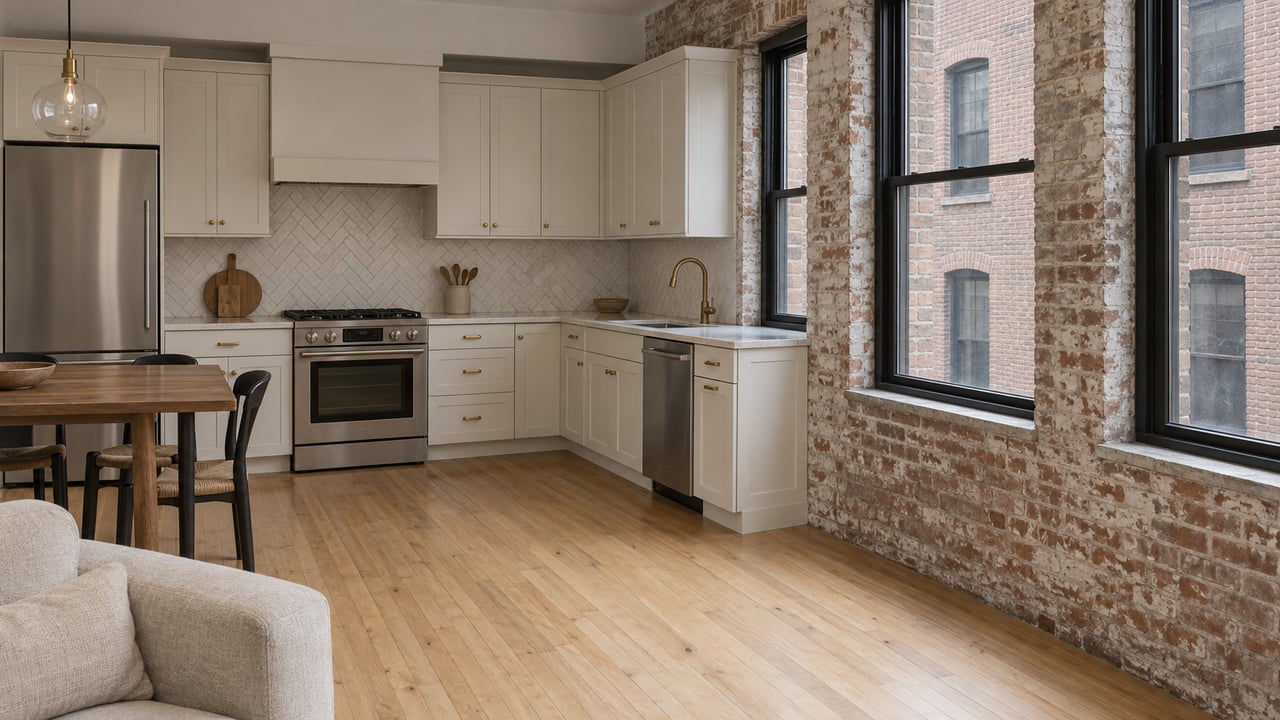
For you, that often means station-adjacent blocks are more likely to include newer apartments and condos. Areas farther from the core may offer better odds of finding older single-family homes, two-family properties, and smaller multifamily buildings.
A City Leaning Into Transit-Oriented Housing
Malden is not only transit-rich today. It is also planning for more transit-oriented housing over time.
The city says it achieved compliance with the MBTA Communities zoning law in June 2025. Its accessory dwelling unit guidance also notes that many parcels within half a mile of Malden Center, Oak Grove, or any MBTA bus stop do not need additional parking for an accessory unit.
That does not mean every block will change overnight. It does suggest, though, that Malden is making room for more housing in transit-linked areas, which matters if you are buying with an eye on long-term neighborhood evolution.
The city’s Commercial Street planning reinforces that direction. Its framework emphasizes small-scale residential, mixed-use retail, and a bike path along the river, supporting the broader idea that Malden’s commuter appeal extends beyond one station and into a network of connected corridors.
Is Malden Right for Your Commute?
Malden can be a smart fit if you want a Downtown Boston commute that feels manageable without giving up local amenities and housing variety. Malden Center is the obvious choice for the fastest trip and the most direct rail access, while places like Maplewood can offer a slightly different pace with solid transit connections.
The tradeoffs are real. You may be dealing with older housing stock, station-area parking limits, and the reliability issues that come with the Boston-area transit system.
Still, for many buyers, Malden hits an appealing middle ground. You get proximity to Boston, multiple transit options, established neighborhood fabric, and a city that continues to invest in how residents move around and use public space.
If you are comparing Malden with other inner-ring communities, the right move usually comes down to your exact commute, your housing priorities, and how you want daily life to feel once the workday ends. If you want help evaluating Malden block by block, the Marjie and Phil Team can help you narrow the options and find the right fit for your routine.
FAQs
How long is the commute from Malden Center to Downtown Boston?
- The city’s March 2023 Transit Action Plan lists the Orange Line trip from Malden Center to Downtown Crossing at about 18 minutes.
Does Malden have commuter rail service into Boston?
- Yes. Malden Center has Haverhill Line commuter rail service, and the city says the ride into Boston is about 14 minutes.
What part of Malden is best for a Boston commuter?
- Malden Center is often the strongest fit for the shortest and most direct commute because it combines Orange Line service, commuter rail access, downtown parking options, and a concentrated mix of amenities.
Is Maplewood a good option for transit access in Malden?
- Yes. The city says Maplewood Square has shops, restaurants, numerous public buses connecting to the Orange Line, and access to the Northern Strand Bike Trail.
What kind of housing can buyers expect in Malden?
- Malden has a mix of single-family homes, two-family properties, large multifamily buildings, and smaller multifamily buildings, with newer housing more commonly found near Malden Center and older housing stock common in many other parts of the city.
Can you park near Malden MBTA stations for commuting?
- Malden offers monthly parking options downtown, but the city says streets around MBTA stations require resident parking stickers and are not intended for commuter parking.